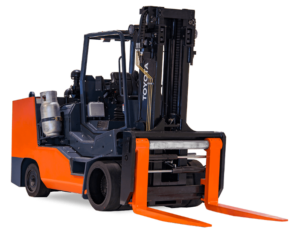
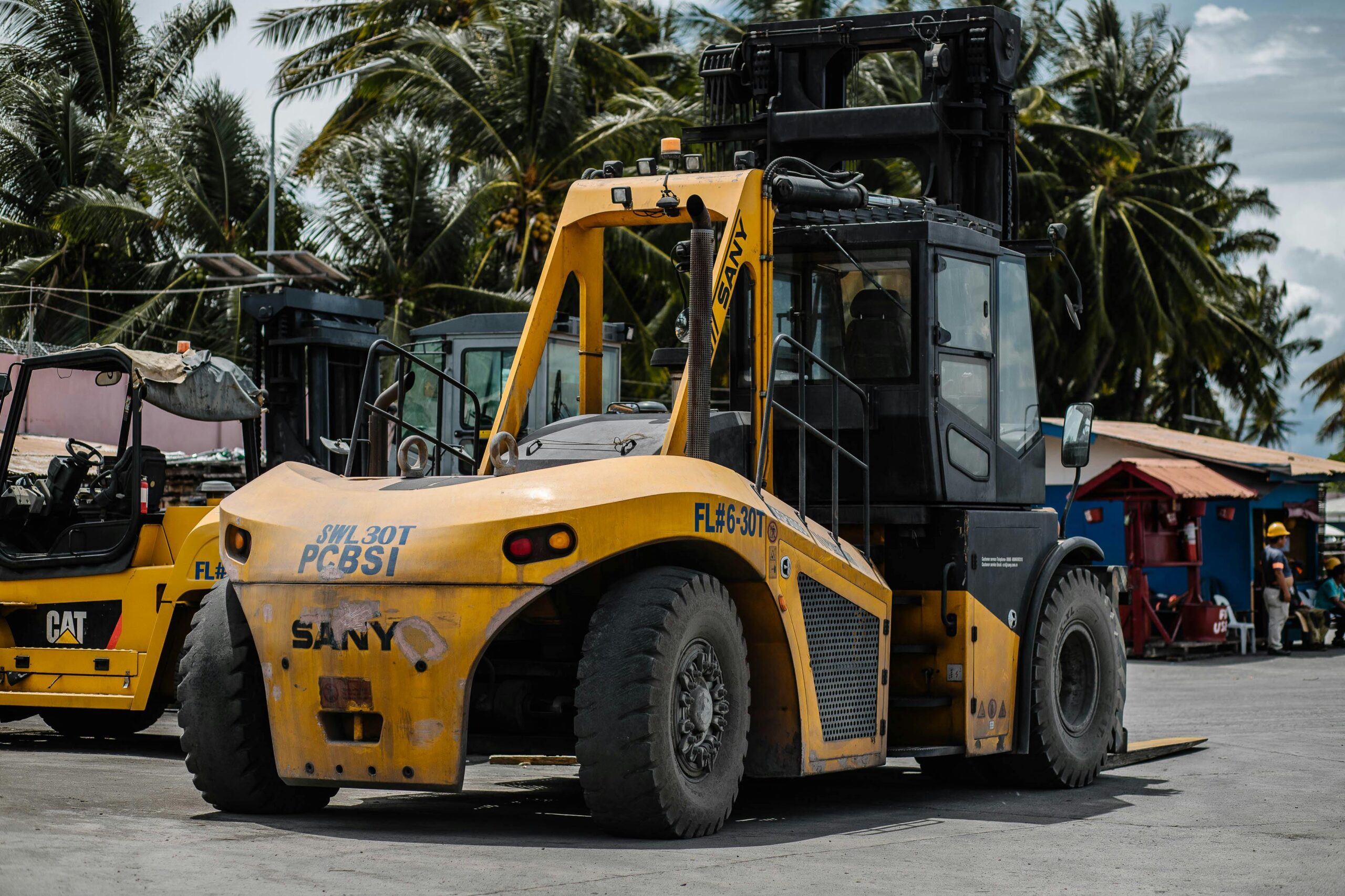
Every year, approximately 85 forklift fatalities and 34,900 serious injuries occur in American workplaces, according to OSHA data. For Florida employers, these statistics represent more than numbers—they reflect the very real human and financial costs of inadequate forklift safety programs. Understanding both how to prevent these accidents and how to respond when they occur is essential for protecting your workforce and your business.
Most Common Types of Forklift Accidents and Their Root Causes
Forklift accidents rarely happen without warning signs. Most incidents follow predictable patterns that can be prevented through proper training, equipment maintenance, and workplace design. Understanding these common accident types helps employers focus their prevention efforts where they’ll have the greatest impact.
Forklift Tip-Overs: The Leading Cause of Fatalities
Tip-over accidents account for approximately 25% of all forklift fatalities, making them the single deadliest type of forklift incident. These accidents typically occur when operators take corners too fast, travel with elevated loads, operate on slopes exceeding the equipment’s capabilities, or encounter unstable ground conditions.
The root causes of tip-over accidents often trace back to inadequate operator training on load handling principles, failure to understand the forklift’s stability triangle, or workplace pressures that encourage unsafe speed. Many operators don’t fully grasp how raising a load affects the forklift’s center of gravity, or they underestimate how quickly conditions can change when maneuvering in tight spaces.
Struck-By Incidents: When Loads Become Projectiles
Falling loads and flying debris cause significant injuries when operators fail to properly secure loads, exceed weight capacity limits, or use damaged pallets and containers. These incidents often result from rushing to meet deadlines, inadequate pre-operational inspections, or using forklifts for tasks they weren’t designed to handle.
The financial impact of struck-by incidents extends beyond immediate medical costs. Product damage, facility repairs, and potential customer claims can multiply the total incident cost significantly. Companies that experience multiple load-related incidents often face increased insurance premiums and potential OSHA citations for failing to maintain safe work practices.
Pedestrian Strikes: The Intersection of Traffic and Safety
Pedestrian strikes represent some of the most tragic forklift accidents, often resulting in permanent disabilities or fatalities. These incidents typically occur in areas where forklift traffic intersects with foot traffic, especially near loading docks, in narrow aisles, or around blind corners.
Contributing factors include inadequate traffic control measures, missing or ineffective warning systems, distracted pedestrians using mobile devices, and operators who fail to maintain proper visibility. Many facilities underestimate the challenge of managing mixed traffic until a serious incident occurs.
Caught-Between Accidents: Mechanical Hazards
Operators and maintenance personnel can become caught between forklift components during maintenance, loading operations, or when working around elevated platforms. These accidents often involve crush injuries from hydraulic systems, pinch points around moving parts, or entanglement with load handling attachments.
The root cause analysis of caught-between accidents frequently reveals inadequate lockout/tagout procedures, insufficient maintenance training, or attempts to service equipment while it’s still operational. These incidents are largely preventable through proper maintenance protocols and comprehensive safety training.
Comprehensive Prevention Strategies That Work
Effective forklift accident prevention requires a multi-layered approach that addresses equipment, operators, workplace design, and organizational culture. The most successful prevention programs integrate these elements into a comprehensive safety management system.
Rigorous Operator Selection and Training
Prevention begins with hiring operators who demonstrate both the technical skills and safety mindset necessary for safe forklift operation. This includes verifying previous experience, checking motor vehicle records, and assessing candidates’ ability to follow safety procedures under pressure.
Initial training must go beyond basic operational skills to include hazard recognition, load physics, and emergency response procedures. Operators need to understand not just how to operate equipment, but why specific procedures exist and what can happen when they’re ignored. The most effective training programs use real-world scenarios and emphasize critical thinking skills that help operators make safe decisions in unexpected situations.
Proactive Equipment Maintenance and Inspection Programs
Mechanical failures contribute to many forklift accidents, yet most are preventable through systematic maintenance and inspection programs. Daily pre-operational inspections should cover all safety-critical systems, including brakes, steering, hydraulics, warning devices, and load handling attachments.
Scheduled maintenance must follow manufacturer recommendations and address wear items before they fail. This includes regular inspections of tires, chains, hydraulic hoses, and structural components that affect equipment stability and performance. Companies that skimp on maintenance often find that the cost of accidents far exceeds any short-term savings.
Workplace Design and Traffic Management
The physical environment plays a crucial role in forklift safety. Effective workplace design separates pedestrian and vehicle traffic wherever possible, provides adequate lighting and visibility, and eliminates hazards that contribute to accidents.
Traffic management systems should include designated travel lanes, speed limits appropriate for conditions, and clear sight lines at intersections. Warning systems, mirrors, and barrier systems help prevent conflicts between forklifts and pedestrians. Regular workplace assessments help identify new hazards that develop as operations change and grow.
Load Handling Best Practices
Proper load handling prevents both tip-over accidents and struck-by incidents. This includes training operators to inspect loads before handling, understanding weight distribution principles, and using appropriate lifting techniques for different load types.
Load securement procedures must address the specific materials and containers used in your operations. Generic training often misses critical details about handling unique loads, leading to incidents when operators encounter unfamiliar situations. Regular evaluation of load handling practices helps identify areas where additional training or procedure modifications are needed.
Immediate Steps to Take After a Forklift Incident
When forklift accidents occur, the immediate response can significantly impact both the injured person’s outcome and your company’s legal exposure. Having a clear incident response plan ensures that critical steps aren’t overlooked during the stress and confusion that follows an accident.
Securing the Scene and Providing Medical Care
The first priority is always providing immediate medical attention to injured persons. This includes calling emergency medical services for serious injuries and ensuring that trained first aid responders can safely access victims. Don’t attempt to move seriously injured persons unless they’re in immediate danger from ongoing hazards.
Secure the accident scene to prevent additional injuries and preserve evidence for investigation. This includes shutting down the involved equipment, controlling traffic around the area, and preventing unauthorized persons from disturbing the scene. Take photographs of equipment positions, load conditions, and environmental factors before anything is moved.
Notification Requirements and Timeline
Florida employers must notify OSHA within specific timeframes when forklift accidents result in fatalities or serious injuries. Fatalities must be reported within 8 hours, while hospitalizations, amputations, or loss of an eye must be reported within 24 hours. These notifications can be made by phone, online, or in person at the nearest OSHA office.
Internal notification procedures should ensure that key personnel are informed promptly, including safety managers, human resources, legal counsel, and insurance carriers. Early notification allows these parties to begin their response procedures and provide guidance on evidence preservation and communication strategies.
Evidence Preservation and Documentation
Thorough documentation is crucial for both internal investigation and potential legal proceedings. This includes photographing the scene from multiple angles, measuring equipment positions, and documenting environmental conditions like lighting, floor conditions, and weather factors.
Collect and preserve physical evidence, including damaged equipment components, load materials, and any personal protective equipment involved in the incident. Witness statements should be taken as soon as possible while memories are fresh, and all documentation should be secured to prevent loss or alteration.
OSHA Reporting Requirements and Investigation Procedures
Understanding OSHA’s reporting and investigation requirements helps employers prepare for the scrutiny that follows serious forklift accidents. Proper preparation can mean the difference between minor citations and significant penalties.
Mandatory Reporting Criteria
OSHA requires reporting of work-related incidents that result in death, hospitalization, amputation, or loss of an eye. The reporting requirement applies regardless of whether the injured person is an employee, contractor, or visitor to your facility. Failure to report within required timeframes can result in additional citations and penalties.
The report must include basic information about the incident, including the location, time, number of fatalities or injuries, and a brief description of what happened. OSHA may request additional information or schedule an inspection based on the severity and circumstances of the incident.
Investigation Process and Employer Rights
OSHA investigations typically begin within 24-48 hours of notification for serious incidents. Inspectors will examine the accident scene, interview witnesses, and review relevant documentation including training records, maintenance logs, and safety procedures.
Employers have specific rights during OSHA investigations, including the right to have company representatives present during interviews and inspections. However, exercising these rights requires advance preparation and understanding of the investigation process. Companies that are unprepared often inadvertently provide information that increases their citation exposure.
Documentation Requirements and Record Keeping
OSHA requires employers to maintain records of work-related injuries and illnesses, including detailed incident reports for serious accidents. These records must be readily available during inspections and may be reviewed for patterns that indicate systemic safety problems.
Training records, maintenance logs, and safety inspection reports become critical evidence during investigations. Companies with comprehensive documentation demonstrating good faith safety efforts often receive more favorable treatment than those with incomplete or missing records.
How Proper Training Reduces Accident Liability
Comprehensive forklift training programs don’t just prevent accidents—they also provide important legal protections when incidents do occur. Understanding this connection helps employers invest appropriately in training programs that serve both safety and risk management objectives.
Demonstrating Due Diligence
Courts and regulatory agencies look favorably on employers who can demonstrate good faith efforts to prevent accidents through comprehensive training programs. This includes not only initial certification but also ongoing training, regular evaluations, and prompt corrective action when deficiencies are identified.
Documentation of training efforts becomes crucial evidence in legal proceedings. Companies that can show they provided thorough training, identified operator deficiencies, and took corrective action are better positioned to defend against claims of negligent supervision or inadequate training.
Reducing Workers’ Compensation Costs
Well-trained operators have significantly lower accident rates, which translates directly into reduced workers’ compensation costs. Many insurance carriers offer premium discounts for companies with documented training programs that exceed minimum requirements.
The cost savings from reduced accidents often exceed the investment in comprehensive training programs within the first year. When employers view training as an investment rather than an expense, they typically allocate sufficient resources to ensure program effectiveness.
Limiting Third-Party Liability
Forklift accidents often involve third parties, including customers, contractors, and delivery personnel. When these incidents result in lawsuits, the adequacy of operator training becomes a key factor in determining liability and damage awards.
Companies with comprehensive training programs that include third-party safety awareness are better positioned to defend against claims that their operations created unreasonable risks for visitors and contractors. This protection becomes increasingly important as facilities become more complex and involve more interactions with outside parties.
Creating a Culture of Safety Reporting Without Fear of Retaliation
The most effective accident prevention programs depend on open communication about safety concerns and near-miss incidents. However, many workplaces inadvertently discourage reporting through policies or practices that punish workers for reporting problems.
Establishing Non-Punitive Reporting Systems
Effective reporting systems focus on identifying and correcting hazards rather than assigning blame to individual workers. This doesn’t mean eliminating accountability, but rather distinguishing between honest mistakes that require additional training and willful violations that warrant disciplinary action.
Non-punitive reporting encourages workers to report near-miss incidents that could prevent future accidents. These reports provide valuable information about emerging hazards and training needs that might otherwise go unnoticed until a serious incident occurs.
Management Response to Safety Concerns
How management responds to safety reports significantly influences whether workers will continue reporting problems. Prompt investigation and corrective action demonstrate that safety concerns are taken seriously, while delayed or inadequate responses discourage future reporting.
Regular feedback to workers about actions taken in response to their reports helps maintain engagement in the safety program. Even when reported problems can’t be immediately corrected, explaining the decision-making process and timeline for resolution shows that concerns are valued.
Training Supervisors on Appropriate Response
Supervisors play a crucial role in establishing the culture around safety reporting. Training should emphasize the importance of encouraging reporting, responding promptly to concerns, and avoiding any actions that could be perceived as retaliatory.
Supervisor training should include specific guidance on how to investigate reports, when to involve safety professionals, and how to communicate with workers about corrective actions. Consistent supervisor response helps establish credibility for the safety program and encourages continued participation.
Long-Term Impact of Accident Prevention Programs
Successful accident prevention programs deliver benefits that extend far beyond immediate safety improvements. Understanding these broader impacts helps justify the investment required for comprehensive programs and demonstrates the value of prevention-focused approaches.
Financial Performance Improvements
Companies with strong safety records consistently outperform their competitors in multiple financial metrics. Reduced insurance costs, lower workers’ compensation premiums, and decreased equipment damage create direct cost savings that flow to the bottom line.
Indirect financial benefits include improved productivity from reduced downtime, enhanced employee morale and retention, and stronger customer relationships built on reliability and quality. These benefits often exceed the direct cost savings and provide sustainable competitive advantages.
Regulatory Compliance and Reputation Protection
Proactive safety programs help companies stay ahead of regulatory changes and avoid the negative publicity associated with serious accidents. This regulatory compliance provides protection against costly citations and helps maintain the company’s reputation in the marketplace.
Strong safety records also provide competitive advantages when bidding for contracts with safety-conscious customers. Many major corporations now require their suppliers to demonstrate specific safety performance metrics before being considered for partnership opportunities.
Organizational Culture and Employee Engagement
Safety programs that prevent accidents contribute to overall organizational culture by demonstrating management’s commitment to employee welfare. This commitment enhances employee engagement, reduces turnover, and attracts higher-quality job candidates.
The problem-solving skills developed through effective safety programs often transfer to other areas of operations, creating improvements in quality, efficiency, and customer service. Organizations that excel at safety frequently excel in other performance measures as well.
Conclusion
Forklift accidents are preventable tragedies that impose enormous costs on workers, families, and employers. The most effective prevention strategies combine rigorous operator training, proactive equipment maintenance, thoughtful workplace design, and strong organizational commitment to safety excellence.
When accidents do occur, prompt and appropriate response can minimize both human suffering and legal exposure. This includes providing immediate medical care, preserving evidence, meeting reporting requirements, and conducting thorough investigations that identify root causes and prevent recurrence.
The investment required for comprehensive accident prevention programs consistently delivers positive returns through reduced accidents, lower insurance costs, improved productivity, and enhanced organizational reputation. Companies that view safety as a strategic business advantage rather than a compliance burden consistently outperform their competitors in both safety and financial metrics.
Don’t wait for accidents to drive your safety investments. The human and financial costs of forklift accidents are too high to accept as inevitable business risks. Implement proven prevention strategies today and create the safe, productive workplace your employees deserve and your business requires.
The key is viewing refresher training as an ongoing process rather than a one-time event. Companies that embrace this approach consistently outperform their competitors in safety metrics, productivity measures, and overall operational excellence. Don’t wait for accidents or OSHA citations to drive your training decisions. Invest in your operators’ ongoing development and reap the benefits of a well-trained, safety-conscious workforce.