Scissor Lift vs Boom Lift: Safety & Certification Guide
Scissor Lift vs Boom Lift: Safety & Certification Summary A construction superintendent in Jacksonville needs to reach a 35-foot signage installation behind landscaping. A maintenance…
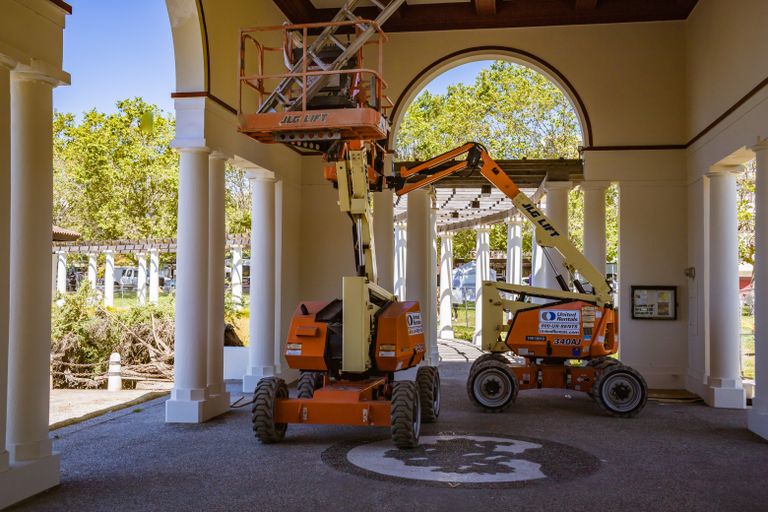
Scissor Lift vs Boom Lift: Safety & Certification Summary A construction superintendent in Jacksonville needs to reach a 35-foot signage installation behind landscaping. A maintenance…
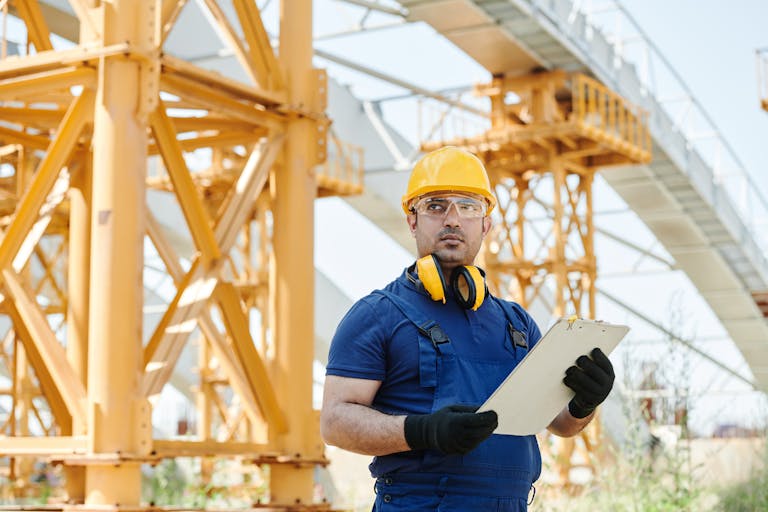
Forklift Pedestrian Safety Article Summary: Every Florida warehouse manager has watched it happen. An operator backs a loaded forklift out of a rack aisle. A…
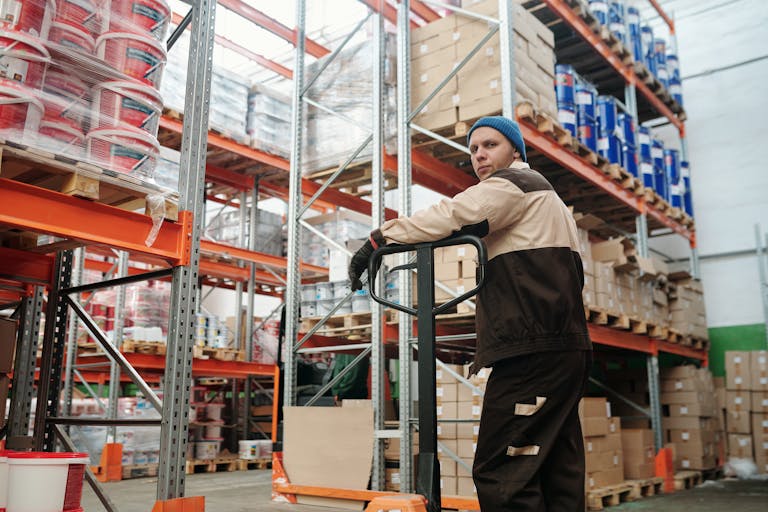
Florida warehouses, distribution centers, and retail backrooms run on narrow-aisle equipment. From the Port of Miami to the cold-storage facilities outside Tampa, two trucks dominate vertical storage operations: the order picker and the reach truck. They look related, share an OSHA classification, and often work in the same aisle. Yet they handle differently, carry different risks, and, most importantly for safety managers, require different certifications.
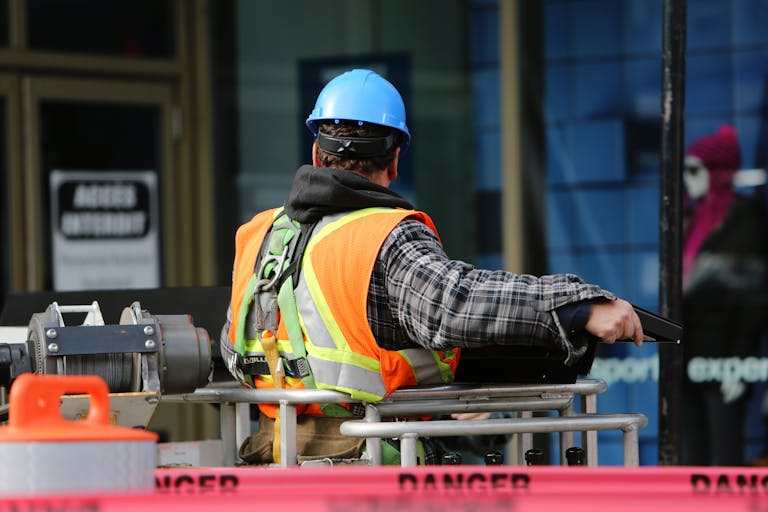
When it comes to forklift training, OSHA puts the responsibility on the employer — not the operator. Learn exactly what a compliant training program requires, what commonly gets missed, and how Florida businesses can stay ahead of their obligations.
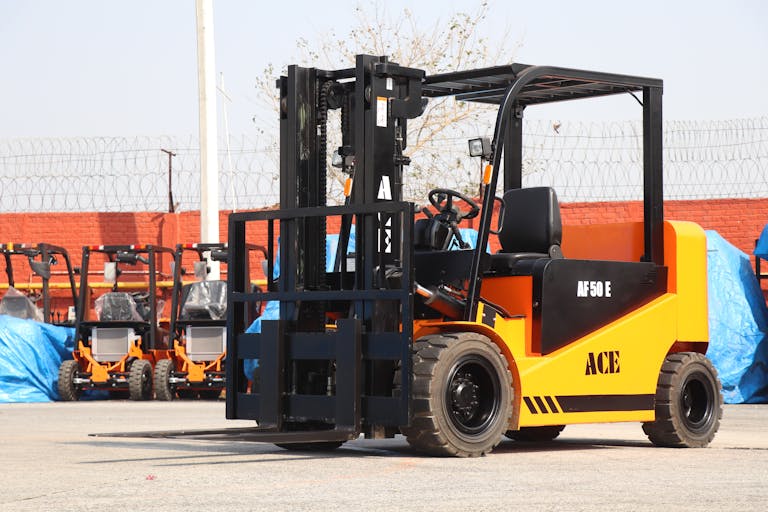
Rough terrain forklifts operate in some of the most challenging environments—construction sites with uneven surfaces, outdoor storage yards with variable conditions, and agricultural operations on unimproved ground. These demanding applications require rigorous safety procedures and operating rules that go beyond standard warehouse forklift practices. Understanding proper rough terrain forklift safety protocols protects Florida operators while maintaining compliance with OSHA requirements and preventing the tip-overs, struck-by incidents, and load handling accidents that plague outdoor forklift operations.
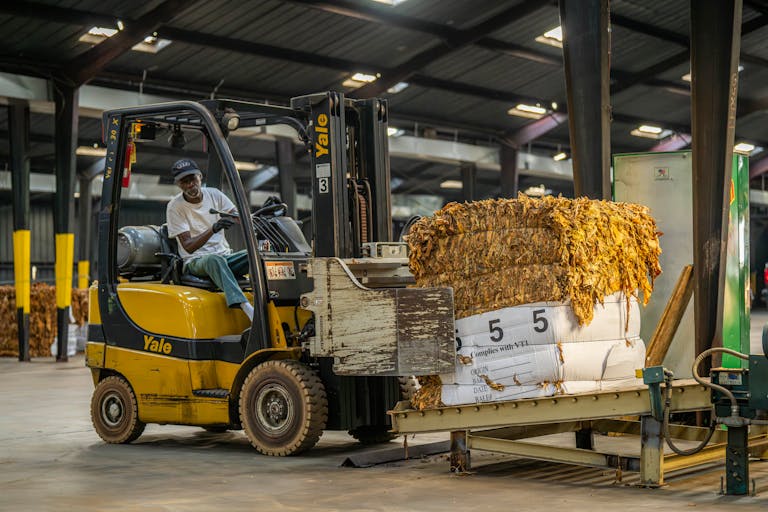
Construction sites, agricultural operations, and industrial facilities often face the question: should we use a telehandler or a forklift? While both machines lift and move materials, they serve distinct purposes with different capabilities, limitations, and operator requirements. Understanding these differences helps Florida contractors and facility managers select appropriate equipment while ensuring operators receive proper training for the machines they’ll actually use.

Electric pallet jacks represent the most numerous powered industrial trucks in many warehouses, distribution centers, and retail operations—yet they’re often the most undertrained equipment category. Many employers mistakenly believe these “simple” machines don’t require formal certification or that brief verbal instructions satisfy OSHA requirements. Understanding actual training obligations for electric pallet jacks helps Florida employers maintain compliance while preventing the thousands of injuries these machines cause annually.
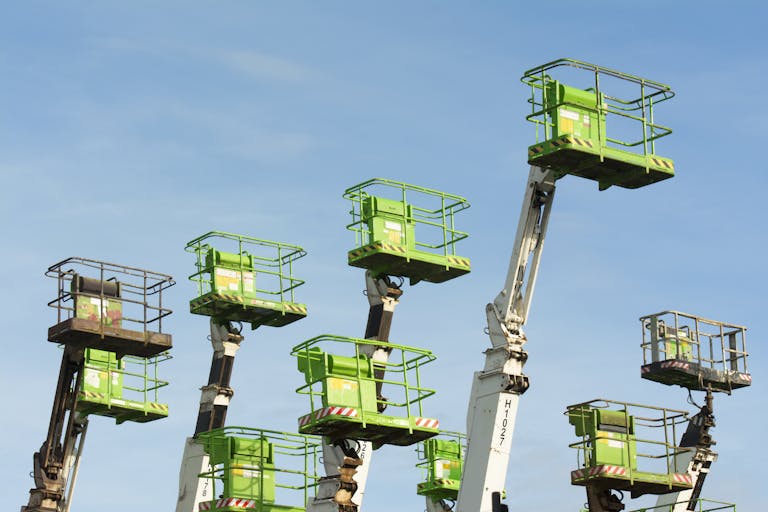
Aerial lift violations consistently rank among the most frequently cited OSHA infractions during workplace inspections, resulting in penalties ranging from thousands to over $160,000 per violation. For Florida employers using boom lifts, scissor lifts, or other aerial work platforms, understanding common violations and implementing prevention strategies protects workers while avoiding costly citations that disrupt operations and damage company reputations.
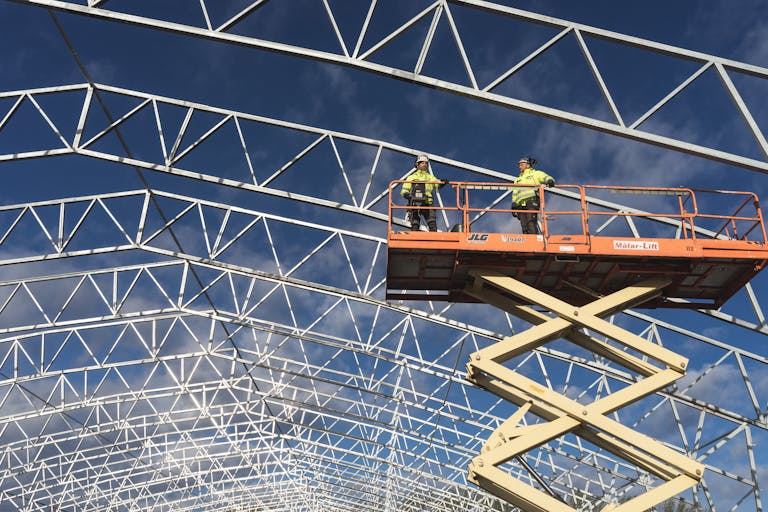
Aerial lifts and scissor lifts both elevate workers to perform tasks at height, but these equipment categories have distinct operational characteristics, safety requirements, and certification needs. Understanding the differences between these machines helps Florida employers ensure their operators receive appropriate training while maintaining OSHA compliance. The confusion between these equipment types can lead to inadequate training that puts workers at risk and creates compliance violations during inspections.
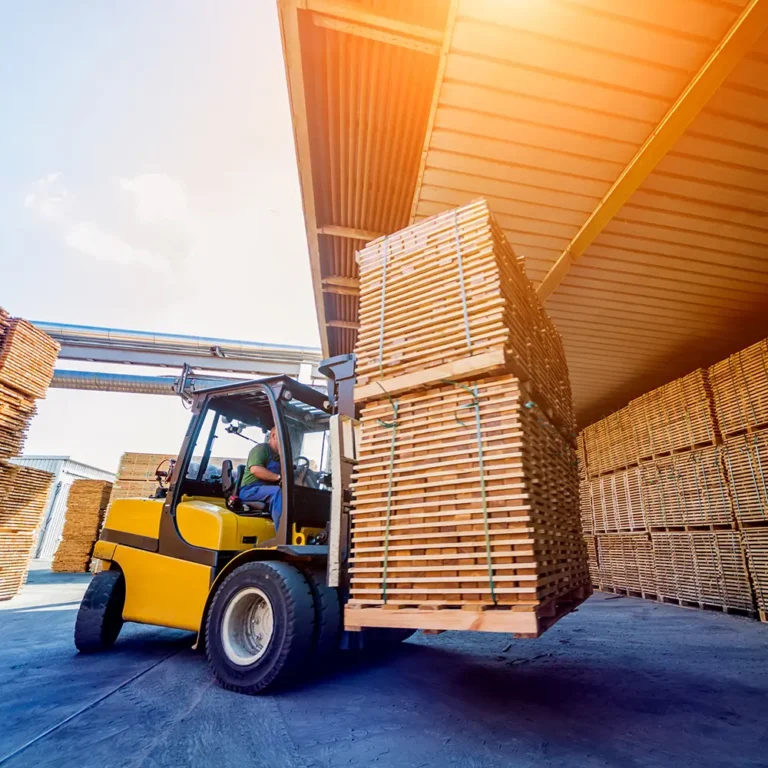
Navigating OSHA regulations can feel overwhelming, especially when dealing with technical documents filled with regulatory language. OSHA Standard 1910.178 governs powered industrial truck safety—but what does that actually mean for Florida employers? This guide breaks down the regulation into plain English, explaining exactly what you need to know to keep your workplace compliant and your operators safe.
End of content
End of content


Eric did a great job. Would definitely recommend him to train anyone on the future. Very thorough.

Eric Rodriguez is a very professional trainer, I am very satisfied for his good work.

Jonathan was very helpful and professional. It’s been a long time since I operated a forklift and he actually helped me get the hang of it again. Amazingly helpful

Muy buen instructor muy técnico y sabe mucho de su trabajo explica muy bien todo y es muy sociable muchas gracias

It was a good experience.i learned something new.a good skill to learn,and more opportunity to grow with this company thank you for the class and certificate

Professional, friendly, extremely knowledgeable, highly recommend. Super friendly!

This is my company’s second year with Eric training. I highly recommend his services

Norm was a great instructor. Very knowledgeable and helpful in training our staff. Thank you
"*" indicates required fields

We offer training for individuals, small companies to large corporations whatever you need we can do. We also work directly with forklift dealers. For those who choose to do their own training we also offer a train the trainer program.
Main office: 386-492-7852
Miami Dade and Monroe Counties:
305-460-0133
Palm Beach, Pompano, Ft Lauderdale:
954-270-2799
Central Florida and all other counties:
386-492-7852
Fax Number: 386-492-7853
Email: [email protected]
© 2026 Forklift Safety Training Inc. All Rights Reserved. Privacy Policy | Terms of Service | Privacy Settings | Disclaimer


