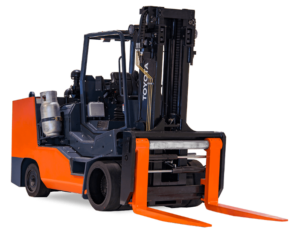

If you’re considering a career in equipment operation, you’ve likely encountered two distinct but sometimes overlapping paths: heavy equipment operation and forklift operation. While both careers involve operating machinery and offer stable employment opportunities, they differ significantly in training requirements, work environments, career progression, and daily responsibilities.
Understanding these differences helps you make informed decisions about your career path, whether you’re entering the workforce for the first time, considering a career change, or looking to expand your skills in the equipment operation field. This comprehensive guide examines both career options, helping you determine which path aligns best with your goals, preferences, and circumstances.
Both heavy equipment and forklift operators play crucial roles in keeping America’s economy moving. Heavy equipment operators build our infrastructure, while forklift operators keep goods flowing through our supply chains. Each career offers unique advantages and challenges that we’ll explore in detail.
Equipment Types and Applications
The fundamental difference between these careers lies in the equipment operated and the environments where this equipment is used.
Heavy Equipment Operation
Heavy equipment operators work with large construction and earthmoving machinery designed for outdoor projects and heavy-duty applications. Common equipment types include:
Excavators: Used for digging, demolition, and material handling in construction and mining operations. These machines require precise control for tasks ranging from foundation excavation to precision demolition work.
Bulldozers: Essential for land clearing, grading, and pushing large amounts of earth or debris. Operators must understand terrain management and soil conditions to work effectively.
Backhoes: Versatile machines combining excavator and loader functions, commonly used in utility work, small construction projects, and municipal applications.
Cranes: Critical for lifting and placing heavy materials in construction, manufacturing, and shipping applications. Crane operation requires exceptional spatial awareness and safety consciousness.
Graders: Used for creating and maintaining roads, parking lots, and other flat surfaces. Precision and attention to detail are essential for quality results.
Loaders: Front-end loaders and wheel loaders move materials in construction, mining, and agricultural applications. These machines require efficiency and productivity focus.
Forklift Operation
Forklift operators work with smaller, more specialized equipment designed primarily for material handling in controlled environments. Equipment categories include:
Counterbalance Forklifts: The most common type, used in warehouses, manufacturing facilities, and retail environments for standard material handling tasks.
Reach Trucks: Designed for narrow aisle operation in high-density storage environments, requiring precision maneuvering skills.
Order Pickers: Specialized equipment for picking individual items from warehouse storage, combining driving and walking functions.
Rough Terrain Forklifts: Outdoor units designed for construction and lumber yard application, bridging the gap between standard forklifts and heavy equipment.
Stand-Up vs. Sit-Down Models: Different operator positions requiring specific training and skills for optimal performance and safety.
Specialized Attachments: Forklifts can be equipped with various attachments for specific applications, from carpet poles to drum handlers, requiring additional training for each configuration.
Training and Certification Requirements
The pathways to becoming qualified in each field differ significantly in duration, cost, and complexity.
Heavy Equipment Training
Heavy equipment operator training typically requires extensive preparation due to the complexity and size of the machinery involved:
Training Duration: Programs range from 3-12 months depending on equipment specialization and skill level desired. Comprehensive programs covering multiple equipment types can extend to 18 months.
Training Costs: Heavy equipment training programs typically cost between $10,000 and $30,000, depending on program comprehensiveness and location. Some programs offer financing options or veteran benefits.
Certification Types: Different equipment types require separate certifications. Most training leads to industry-recognized certificates rather than formal licenses, though some specialized equipment may require additional endorsements.
Apprenticeship Options: Many operators enter the field through union apprenticeship programs that combine classroom instruction with paid on-the-job training over 2-4 years.
Continuing Education: Operators must stay current with equipment updates, safety regulations, and new technologies through ongoing training and certification renewal.
Forklift Training and Certification
Forklift operator certification offers a more accessible entry point into equipment operation:
Training Duration: Basic forklift certification can be completed in 1 ays, with comprehensive programs extending to a week for multiple equipment types.
Training Costs: Professional forklift training typically ranges from $200-$500 per operator, making it one of the most cost-effective skilled trade certifications available. Lowest price is based upon the number of operators.
OSHA Requirements: Forklift operation requires formal OSHA-compliant certification that includes both classroom instruction and hands-on evaluation with specific equipment types.
Equipment-Specific Training: Each forklift type requires separate training and evaluation, but additional certifications can often be completed quickly with existing experience.
Renewal Requirements: While OSHA allows forklift operator certifications to last a maximum of three years, Forklift Safety Training renews certifications every two years. We’ve found this schedule keeps teams sharper, reduces the risk of lapses, and helps employers stay ahead of compliance requirements. A three-year certification is available upon request.
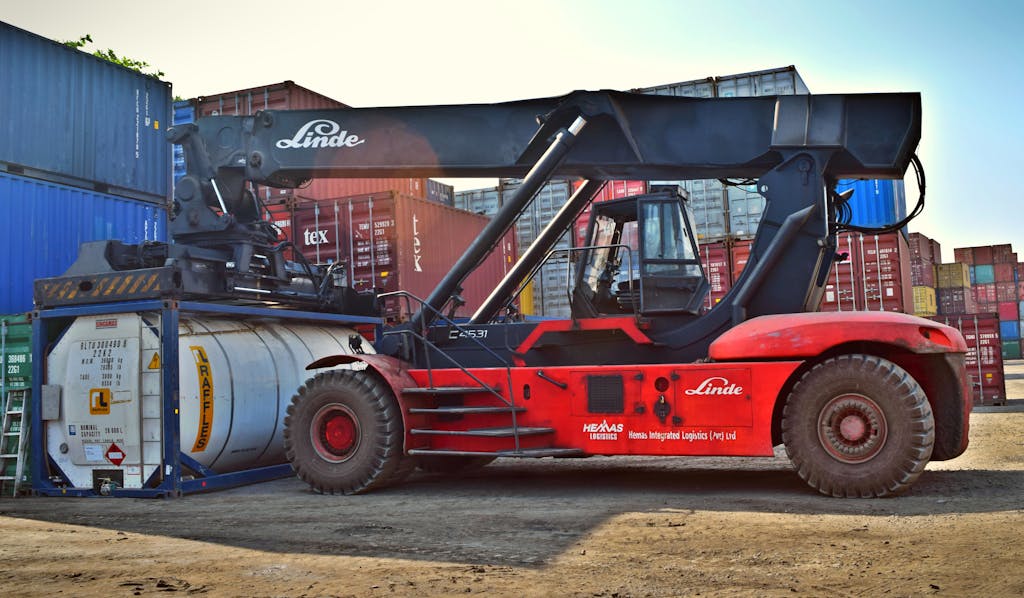
Work Environment Differences
The daily work experience varies dramatically between these two career paths, affecting lifestyle, physical demands, and job satisfaction.
Heavy Equipment Work Environments
Heavy equipment operators typically work in demanding outdoor environments that present unique challenges and rewards:
Outdoor Exposure: Most heavy equipment work occurs outdoors in all weather conditions. Operators must be prepared for extreme temperatures, precipitation, and seasonal variations that affect both comfort and safety.
Construction Sites: Active construction sites present dynamic environments with multiple hazards, requiring constant awareness of changing conditions, other workers, and safety protocols.
Travel Requirements: Many positions require travel to different job sites, sometimes involving extended periods away from home or temporary relocation for major projects.
Physical Demands: Operating large equipment involves physical stress from vibration, noise, and ergonomic challenges. Operators may also perform manual labor tasks between equipment operations.
Project-Based Work: Employment often follows project cycles, with periods of intense activity followed by potential downtime between contracts.
Forklift Work Environments
Forklift operators typically enjoy more controlled, predictable work environments:
Indoor Facilities: Most forklift work occurs in climate-controlled warehouses, manufacturing facilities, or retail environments, providing protection from weather conditions.
Consistent Schedules: Warehouse and manufacturing operations typically offer regular schedules with predictable hours, supporting work-life balance and family planning.
Team Environment: Forklift operators usually work as part of larger teams in established facilities, providing social interaction and collaborative work experiences.
Safety Infrastructure: Indoor facilities typically have established safety systems, lighting, and emergency procedures that create more controlled risk environments.
Career Stability: Warehouse and logistics operations provide steady employment that’s less susceptible to economic cycles than construction projects.
Career Progression and Opportunities
Both fields offer advancement opportunities, though the paths and timelines differ significantly.
Heavy Equipment Career Advancement
Heavy equipment operation provides multiple advancement pathways for motivated individuals:
Equipment Specialization: Operators can specialize in high-demand equipment types like tower cranes or specialized mining equipment, commanding premium wages.
Supervisory Roles: Experienced operators often advance to foreman, supervisor, or project management positions, combining technical knowledge with leadership responsibilities.
Contractor Opportunities: Many operators eventually start their own contracting businesses, leveraging experience and industry relationships for independence and higher earnings.
Cross-Training: Operators can expand skills across multiple equipment types, increasing versatility and employment opportunities.
Union Benefits: Many heavy equipment operators work in unionized environments offering excellent benefits, pension plans, and job security.
Forklift Career Advancement
Forklift operation serves as an excellent foundation for logistics and warehousing careers:
Warehouse Management: Many warehouse managers and supervisors begin as forklift operators, advancing through demonstrated competency and leadership skills.
Logistics Coordination: Understanding material handling operations provides excellent preparation for logistics, shipping, and inventory management roles.
Training and Safety: Experienced operators often transition to training roles, becoming instructors or safety coordinators within their organizations.
Equipment Maintenance: Technical skills developed through operation can lead to maintenance and repair positions with specialized training.
Cross-Industry Opportunities: Forklift skills transfer across industries, from retail and manufacturing to construction and agriculture, providing career flexibility.
Salary and Benefits Comparison
Compensation varies significantly between these careers based on location, experience, and specialization.
Heavy Equipment Operator Compensation
Heavy equipment operators typically earn higher starting wages but face greater income variability:
Starting Wages: Entry-level operators typically earn $18-$25 per hour, with experienced operators earning $25-$40+ per hour depending on equipment specialization and location.
Overtime Opportunities: Construction projects often provide extensive overtime opportunities, significantly increasing annual earnings during busy periods.
Seasonal Variations: Income may fluctuate based on weather, project availability, and economic conditions affecting construction activity.
Benefits Packages: Union positions often include excellent health insurance, pension plans, and training benefits, while contractor positions may offer limited benefits.
Geographic Premiums: Urban areas and regions with active construction typically offer higher wages to attract skilled operators.
Forklift Operator Compensation
Forklift operators enjoy more consistent income with steady advancement potential:
Starting Wages: Entry-level forklift operators typically earn $15-$20 per hour, with experienced operators earning $18-$28 per hour based on industry and responsibilities.
Consistent Income: Warehouse and manufacturing operations provide steady year-round employment with predictable income and scheduling.
Shift Differentials: Many facilities offer premium pay for evening, night, or weekend shifts, increasing earning potential.
Benefits Stability: Large warehouse and manufacturing employers typically offer comprehensive benefits packages including health insurance, retirement plans, and paid time off.
Advancement Income: Progression to supervisory or specialized roles can significantly increase earning potential within the same organization.
Transferable Skills Between Fields
Skills developed in one field often transfer to the other, though additional training is typically required.
Heavy Equipment to Forklift Transition
Heavy equipment operators possess valuable skills that translate well to forklift operation:
Equipment Awareness: Understanding equipment capabilities, limitations, and safety requirements transfers directly to forklift operation.
Spatial Judgment: Skills in maneuvering large equipment in tight spaces apply directly to warehouse and indoor material handling.
Safety Consciousness: Construction site safety training provides excellent preparation for warehouse safety requirements and OSHA compliance.
Mechanical Understanding: Knowledge of hydraulics, engines, and maintenance requirements applies to forklift operation and troubleshooting.
Forklift to Heavy Equipment Transition
Forklift operators develop foundational skills valuable for heavy equipment careers:
Equipment Operation: Basic understanding of controls, safety systems, and operational procedures provides a foundation for larger equipment training.
Load Handling: Experience with load calculations, balance, and material handling principles transfers to heavy equipment applications.
Workplace Safety: OSHA training and safety consciousness developed in warehouse environments applies directly to construction settings.
Reliability and Responsibility: Employers value the consistent work habits and responsibility typically developed in warehouse environments.
Choosing Your Career Path
Several factors should influence your decision between these career options:
Consider Heavy Equipment Operation If:
- You enjoy outdoor work and don’t mind weather exposure
- You’re interested in construction and infrastructure development
- You want higher starting wages and overtime opportunities
- You’re willing to invest in extensive training
- You can handle physical demands and equipment vibration
- You’re interested in eventually starting your own contracting business
Consider Forklift Operation If:
- You prefer consistent, indoor work environments or rough terrain forklift use outdoors.
- You value work-life balance and regular schedules
- You want to enter the workforce quickly with minimal training investment
- You’re interested in logistics, warehousing, or manufacturing careers
- You prefer team-based work environments
- You want stable employment that’s less affected by economic cycles
Getting Started in Your Chosen Field
Once you’ve decided on your career path, taking the right first steps ensures success.
Starting Your Heavy Equipment Career
Research training programs in your area, considering community colleges, technical schools, and union apprenticeship programs. Visit job sites to observe equipment operation and speak with current operators about their experiences. Consider starting with general construction labor to gain industry exposure while pursuing training.
Starting Your Forklift Career
Begin with proper OSHA-compliant forklift certification from a reputable training provider. Focus on comprehensive training that covers multiple equipment types and safety requirements.
Forklift Safety Training Florida provides the foundation you need to start your forklift operator career throughout Florida. Our comprehensive certification programs prepare you for immediate employment while ensuring full OSHA compliance and workers compensation compliance.
Start your forklift career in Daytona, Miami, West Palm Beach, Pompano, Ft Lauderdale, Tampa, Orlando, Ft Meyers,or anywhere throughout Florida. Our experienced instructors provide hands-on training with current equipment, preparing you for real-world warehouse and manufacturing environments.
Making Your Decision
Both heavy equipment operation and forklift operation offer rewarding careers with growth potential. Heavy equipment operation provides higher starting wages and entrepreneurial opportunities but requires greater training investment and physical demands. Forklift operation offers quicker entry, consistent work environments, and stable career progression in the growing logistics industry.
Consider your personal preferences, financial situation, and long-term career goals when making your decision. Remember that skills developed in either field can serve as stepping stones to the other with additional training.
Contact Forklift Safety Training Florida today to discuss your training options and learn how we can help you start your forklift operator career. Our comprehensive programs provide the skills and certification you need to succeed in Florida’s growing logistics and manufacturing industries.
Whether you choose heavy equipment or forklift operation, investing in proper training and certification sets the foundation for a successful, rewarding career in equipment operation.