OSHA requires this training annually, biannually, or at minimum at least once every two years. However, refresher training is required whenever there is an accident, near miss, or when your license expires. The certification process includes both theoretical knowledge testing and practical skills evaluation to ensure operators can safely handle powered industrial equipment in real workplace conditions.
Forklift operator certification must be renewed at least every 2 years according to OSHA standards, with additional training required if incidents occur. This comprehensive testing approach ensures that certified operators possess both the knowledge and practical skills necessary for safe equipment operation across various workplace environments.
Components of Forklift Certification Testing
Complete forklift certification requires successful completion of multiple evaluation components. The written examination tests theoretical knowledge of safety principles, regulations, and proper operating procedures. The practical evaluation demonstrates hands-on competency with actual forklift equipment under realistic operating conditions.
Testing must be conducted by qualified instructors using appropriate equipment and evaluation criteria that meet OSHA standards. Training providers are responsible for ensuring that both testing components accurately assess operator readiness for independent forklift operation in workplace environments.
Written Exam: What to Expect
The written portion of forklift certification testing covers essential safety knowledge, operational principles, and regulatory requirements that every operator must understand. Questions typically focus on OSHA regulations, equipment characteristics, load handling principles, and workplace safety procedures that directly impact safe operation.
Key Topic Areas Covered
Safety regulations form the foundation of most written examinations, including OSHA requirements for operator certification, workplace safety standards, and employer responsibilities for maintaining safe operating environments. Understanding these regulatory basics demonstrates knowledge of the legal framework governing forklift operation.
Equipment knowledge questions assess understanding of forklift components, operational characteristics, and maintenance requirements. This includes capacity limitations, stability principles, control systems, and safety features that affect daily operation. Operators must demonstrate understanding of how different forklift types operate and their specific safety considerations.
Load handling principles represent a critical testing area covering weight distribution, load center calculations, lifting techniques, and securement procedures. These questions often include scenarios requiring operators to calculate safe load limits or identify proper handling techniques for various load types.
Workplace safety topics address pedestrian safety, traffic management, inspection procedures, and emergency response protocols. Questions may cover proper communication techniques, hazard recognition, and appropriate responses to various workplace situations that operators encounter regularly.
Question Formats and Difficulty Levels
Most written examinations use multiple-choice questions that present realistic scenarios requiring operators to select the best safety practice or proper procedure. These questions are designed to test practical application of safety knowledge rather than simple memorization of facts.
True/false questions typically address fundamental safety principles and regulatory requirements that have clear right and wrong answers. These questions help assess basic knowledge of essential safety concepts that every operator must understand completely.
Scenario-based questions present workplace situations requiring operators to identify appropriate responses or safety procedures. These questions test decision-making skills and practical application of safety knowledge in realistic situations operators will encounter on the job.
Passing Scores and Retesting Policies
Most training providers require a passing score of 70-80% on written examinations, though specific requirements may vary by provider and industry application. The exact passing threshold should be clearly communicated before testing begins to ensure appropriate preparation expectations.
Retesting policies vary among training providers, with most allowing immediate retesting after additional instruction addressing identified knowledge gaps. Some providers may require waiting periods or additional training before retesting, particularly if initial scores indicate significant knowledge deficiencies.
Understanding retesting policies before beginning training helps set appropriate expectations and reduces anxiety about the testing process. Quality training programs focus on ensuring student success rather than creating barriers to certification completion.
Practical Evaluation: Demonstrating Your Skills
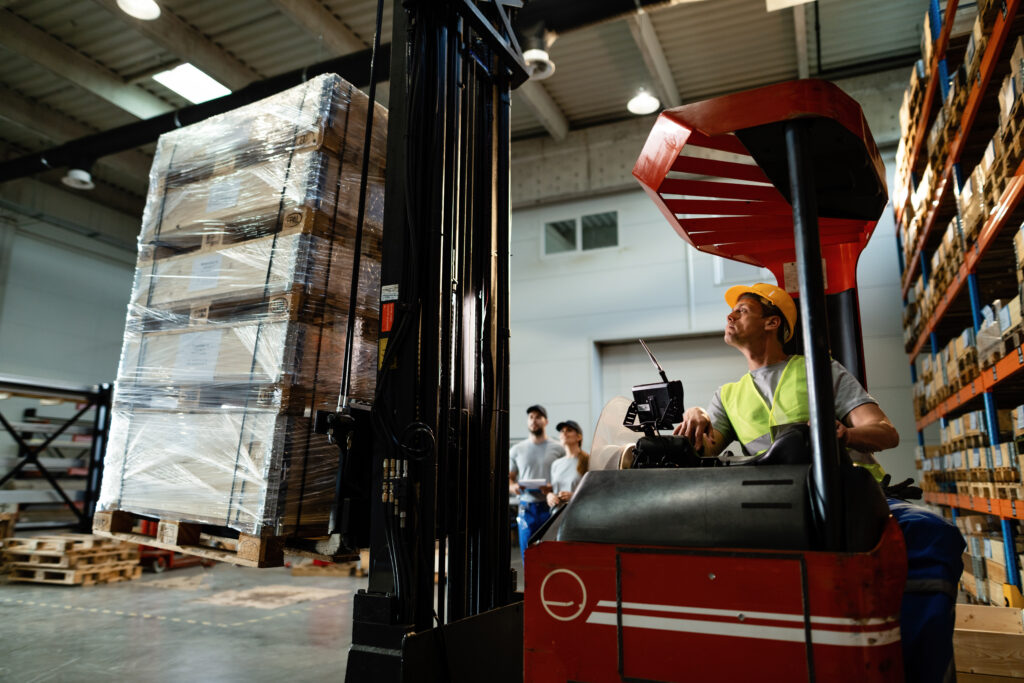
The hands-on practical evaluation tests your ability to safely operate forklift equipment under realistic conditions similar to actual workplace environments. This evaluation typically takes place using the same type of equipment you’ll operate on the job, ensuring relevant skill assessment.
Pre-Operational Inspection Requirements
Every practical evaluation begins with a comprehensive pre-operational inspection demonstrating your ability to identify potential safety hazards and equipment deficiencies. You’ll need to systematically check all safety-critical systems including brakes, steering, hydraulics, warning devices, and structural components.
The inspection process must be thorough and systematic, following a logical sequence that ensures no critical components are overlooked. Evaluators assess both your technical knowledge of what to inspect and your ability to identify actual equipment problems that could affect safe operation.
Proper documentation of inspection results is often required, including identification of any deficiencies found and appropriate actions taken. This demonstrates understanding of the importance of inspection records and proper equipment maintenance procedures.
Basic Operating Skills Assessment
Fundamental operating skills evaluation covers equipment startup procedures, basic movement controls, and proper shutdown sequences. You’ll demonstrate ability to safely start the forklift, check all control systems, and verify that safety features are functioning properly before beginning operation.
Maneuvering skills assessment includes forward and reverse travel, turning in confined spaces, and maintaining proper speed control under various conditions. Evaluators look for smooth, controlled operation that demonstrates mastery of equipment controls and awareness of surrounding conditions.
Positioning accuracy tests your ability to precisely place the forklift for load handling operations while maintaining proper clearances and sight lines. This includes backing into loading positions, aligning with dock areas, and positioning for optimal load pickup and placement.
Load Handling Demonstrations
Load pickup procedures require demonstration of proper approach techniques, fork positioning, and lifting sequences that ensure load stability and operator safety. You’ll need to show understanding of load center principles and proper techniques for handling different load types safely.
Load transport evaluation assesses your ability to safely move loads while maintaining visibility, proper speed, and equipment stability. This includes navigating around obstacles, through doorways, and in areas with pedestrian traffic while keeping loads secure and stable.
Load placement skills demonstrate your ability to accurately position loads in designated areas while maintaining safety clearances and proper stacking techniques. Evaluators assess precision, safety awareness, and adherence to proper placement procedures throughout the process.
Safety Awareness and Decision Making
Hazard recognition skills are continuously evaluated throughout the practical test as you demonstrate ability to identify and respond appropriately to various safety challenges. This includes recognizing pedestrian traffic, overhead obstacles, floor conditions, and other workplace hazards.
Emergency response procedures may be tested through simulated scenarios requiring appropriate reactions to equipment malfunctions, spills, or other emergency situations. Your ability to safely shut down equipment and implement proper emergency procedures demonstrates preparedness for real workplace incidents.
Communication skills assessment covers proper use of warning devices, hand signals, and verbal communication with spotters or other personnel. Effective communication is essential for safe operation in busy workplace environments with mixed pedestrian and vehicle traffic.
Study Strategies for Success
Effective preparation for forklift certification testing requires a systematic approach that addresses both theoretical knowledge and practical skills development. The most successful candidates combine classroom study with hands-on practice to build comprehensive competency.
Reviewing Safety Principles
Start your preparation by thoroughly reviewing fundamental safety principles that form the foundation of safe forklift operation. This includes understanding OSHA regulations, equipment limitations, and workplace safety procedures that apply to all forklift operations regardless of specific equipment type or application.
Focus on understanding the reasoning behind safety procedures rather than simply memorizing rules. This deeper understanding helps you apply safety principles to new situations and make appropriate decisions when faced with unexpected workplace challenges during testing or actual operation.
Create summary notes or flashcards covering key safety concepts, regulations, and procedures that you can review regularly during your preparation period. Regular review helps reinforce important concepts and identifies areas that may need additional study attention.
Understanding Equipment Characteristics
Study the specific characteristics of the forklift type you’ll be operating, including capacity ratings, operational features, and safety systems. Different forklift categories have unique operational characteristics that affect proper operating techniques and safety procedures.
Learn the location and function of all controls, warning devices, and safety features on the equipment you’ll be tested with. Familiarity with control layout and operation reduces confusion during testing and demonstrates thorough preparation.
Review load capacity charts and understand how load weight, size, and position affect equipment stability and capacity limitations. This knowledge is essential for safe operation and frequently tested during both written and practical evaluations.
Practicing Load Calculations
Load center calculations often challenge new operators, so spend extra time practicing these computations with various load scenarios. Understanding how load position affects effective weight helps you make safe loading decisions in real workplace situations.
Work through sample problems involving different load weights, sizes, and positions to build confidence with capacity calculations. Many training programs provide practice worksheets or online tools for developing these essential skills.
Remember that load calculations aren’t just test topics—they’re critical safety skills you’ll use daily as a certified operator. Mastering these calculations during training preparation builds foundation skills for safe workplace operation.
Getting Hands-On Practice
Whenever possible, practice with actual forklift equipment before your evaluation. Many training programs provide practice time, but additional practice helps build confidence and muscle memory that improves performance during testing.
If equipment access is limited, practice visualization techniques by mentally rehearsing operating procedures, inspection sequences, and load handling techniques. Mental practice helps reinforce proper procedures and can improve actual performance during hands-on evaluation.
Ask instructors for specific feedback on your technique during practice sessions. Professional guidance helps identify areas for improvement and builds confidence in your developing skills.
Common Testing Mistakes to Avoid
Understanding common mistakes that cause testing failures helps you focus your preparation efforts and avoid pitfalls that trip up many new operators. Most testing failures result from inadequate preparation rather than inherent difficulty of the material.
Written Exam Pitfalls
Rushing through questions without carefully reading all answer options leads to careless mistakes on topics you actually understand. Take time to read each question completely and consider all possible answers before making your selection.
Overthinking simple questions can cause you to second-guess correct initial responses. Trust your preparation and go with your first instinct unless you have a specific reason to reconsider your answer.
Failing to understand question terminology can lead to incorrect answers even when you know the underlying concept. Make sure you understand key terms and definitions used in safety regulations and operational procedures.
Practical Evaluation Errors
Skipping or rushing pre-operational inspections demonstrates poor safety habits and often results in immediate test failure. Take time to conduct thorough, systematic inspections that demonstrate proper safety awareness and equipment knowledge.
Operating too quickly during skills demonstrations can lead to loss of control or failure to demonstrate proper technique. Smooth, controlled operation is more important than speed during testing situations.
Ignoring safety procedures under testing pressure shows poor judgment and inadequate preparation. Maintain proper safety practices throughout the evaluation, even if you feel nervous or rushed.
Poor communication with evaluators or spotters can create safety concerns and negatively impact your test performance. Use clear verbal communication and proper hand signals throughout the evaluation process.
Preparation Oversights
Inadequate study time for theoretical knowledge often results in written exam failures that could be easily avoided with proper preparation. Allow sufficient time to review all required material thoroughly before testing.
Failing to practice with actual equipment puts you at a disadvantage during practical evaluation. Hands-on practice is essential for developing the muscle memory and confidence needed for successful testing.
Not understanding testing procedures and expectations can create unnecessary anxiety and confusion during the evaluation process. Ask questions about testing format and requirements during your training program.
Test Day Success Tips
Proper preparation for test day involves more than just studying—practical considerations like arrival time, required documentation, and mental preparation can significantly impact your testing performance.
What to Bring
Valid identification is required for all testing situations, so ensure you have appropriate photo ID available. Some testing locations may have specific ID requirements, so verify these details when scheduling your test.
Any required documentation such as medical certificates, previous training records, or employer authorization should be organized and readily available. Missing paperwork can delay or prevent testing, so double-check requirements beforehand.
Comfortable, appropriate clothing and safety equipment help you focus on testing rather than physical discomfort. Closed-toe shoes with good traction are essential, and some locations may require additional safety equipment like hard hats or safety vests and steel toe footwear.
Arrival and Check-In Procedures
Arrive early to allow time for check-in procedures and mental preparation without feeling rushed. Early arrival also provides opportunities to familiarize yourself with the testing environment and equipment you’ll be using.
Complete all required paperwork promptly and ask any questions about testing procedures before the evaluation begins. Understanding expectations reduces anxiety and helps you focus on demonstrating your skills effectively.
Use extra time before testing to review key concepts or practice visualization techniques that help reinforce proper procedures. Light review can boost confidence without creating information overload.
Managing Test Anxiety
Some nervousness is normal and can actually improve performance by increasing focus and attention. However, excessive anxiety can interfere with your ability to demonstrate skills you’ve properly developed during training.
Deep breathing exercises and positive visualization can help manage anxiety levels and maintain focus during testing. Practice these techniques during training so they become natural responses during stressful situations.
Remember that quality training programs are designed to prepare you for successful testing. Trust your preparation and focus on demonstrating the skills you’ve developed rather than worrying about potential failure.
Communication During Testing
Listen carefully to all instructions and ask for clarification if anything is unclear. Evaluators want to see you succeed and are generally willing to repeat or clarify instructions to ensure fair testing conditions.
Communicate clearly with evaluators throughout the process, especially during practical demonstrations where verbal communication may be required for safety coordination. Clear communication demonstrates professionalism and safety awareness.
Stay focused on the current task rather than worrying about previous mistakes or upcoming challenges. Each component of the test is evaluated independently, so early mistakes don’t necessarily predict overall results.
Understanding Retesting and Remedial Training
Not everyone passes certification testing on the first attempt, and quality training programs have procedures in place to help unsuccessful candidates achieve certification through additional preparation and retesting opportunities.
When Retesting May Be Necessary
Written exam failures typically result from inadequate study time or misunderstanding of key concepts rather than inherent inability to learn the material. Additional study focusing on identified weak areas usually leads to successful retesting.
Practical evaluation challenges often stem from nervousness, insufficient practice time, or specific skill deficiencies that can be addressed through targeted additional training. Most practical skills can be improved significantly with focused practice and professional instruction.
Understanding that retesting is a normal part of the learning process for some students helps reduce stigma and encourages persistent effort toward achieving certification goals.
Remedial Training Approaches
Targeted instruction addressing specific knowledge or skill gaps is more effective than repeating entire training programs. Quality training providers assess individual needs and provide customized remedial training that focuses on areas needing improvement.
Additional practice time with equipment and one-on-one instruction can help build confidence and skills needed for successful retesting. Personalized attention often helps students overcome specific challenges that prevented initial success.
Study strategies may need adjustment for students who struggled with written examinations. Different learning approaches or additional study materials may be helpful for achieving better comprehension and retention.
Maintaining Motivation
Remember that the goal of certification testing is ensuring operator safety and competency, not creating barriers to employment. Training providers and employers want you to succeed and are generally supportive of efforts to achieve certification.
Focus on the learning process rather than just the testing outcome. Skills and knowledge developed during training provide value regardless of initial testing results, and persistent effort usually leads to success.
Consider additional training as an investment in your professional development rather than a setback. Thorough preparation and competency development benefit your long-term career prospects and workplace safety.
Preparing for Different Forklift Types
Different categories of forklifts require specific knowledge and skills that affect both training content and testing requirements. Understanding these differences helps you prepare appropriately for the specific equipment you’ll be operating.
Sit-Down Counterbalance Forklifts
These traditional forklifts are the most common type and form the basis for most general forklift training programs. Testing typically emphasizes fundamental skills like load handling, maneuvering, and stability principles that apply across most forklift applications.
Capacity calculations are particularly important for counterbalance forklifts since load position significantly affects stability and safe operating limits. Expect detailed testing on load center principles and capacity chart interpretation.
Stand-Up Reach Trucks
Narrow aisle equipment requires specialized skills for high-lift operations and precise maneuvering in confined spaces. Testing often includes specific scenarios involving racking systems and height-related safety procedures.
Visibility challenges are common with reach trucks, so testing may emphasize proper positioning techniques and use of mirrors or other visibility aids. Understanding height restrictions and overhead clearances becomes critically important.
Rough Terrain Forklifts
Outdoor equipment testing includes additional safety considerations for slope operation, unstable surfaces, and weather-related challenges. Understanding grade limitations and proper techniques for working on uneven terrain is essential.
Load handling on slopes requires special techniques and safety procedures that are specifically tested. Proper positioning, load securing, and travel procedures on inclined surfaces receive particular attention during evaluation.
Order Pickers and Specialty Equipment
High-level order picking equipment requires additional safety training for fall protection, proper use of safety equipment, and emergency procedures for elevated work positions. Testing typically includes specific scenarios for working at height.
Platform positioning, load securing at height, and proper use of safety restraints are commonly tested skills. Understanding weight distribution and platform stability becomes particularly important for elevated operations.
Building Long-Term Success
Forklift certification testing represents the beginning of your development as a professional equipment operator rather than the end of your training journey. Successful operators continue learning and improving their skills throughout their careers.
Continuing Education Opportunities
Stay current with regulatory changes, new equipment technologies, and evolving safety best practices through ongoing education. Many employers provide additional training opportunities that enhance career advancement prospects.
Industry associations, equipment manufacturers, and training providers offer advanced courses, safety seminars, and specialized training that can broaden your skills and knowledge base.
Maintaining Certification
Regular refresher training is required whenever there is an accident, near miss, or when your license expires. Staying proactive about refresher training demonstrates professionalism and commitment to safety excellence.
Keep training records organized and accessible for employer verification and regulatory compliance. Proper documentation protects both you and your employer during inspections or incident investigations.
Career Development
Forklift certification can open doors to supervisory positions, trainer roles, or specialized equipment operation opportunities. Demonstrated safety consciousness and skill development often lead to increased responsibilities and advancement.
Consider pursuing additional certifications for different equipment types or specialized applications. Broader qualifications increase employment opportunities and demonstrate commitment to professional development.

Why Choose Professional Training
While it’s possible to prepare for forklift testing independently, professional training programs provide significant advantages that improve both testing success rates and long-term safety performance.
Comprehensive Preparation
Professional training providers like Forklift Safety Training Florida offer instruction, policy and procedure, safe use, inspections, maintenance, written exam, and hands-on evaluation. Valid OSHA certification issued. Our certified trainers provide site-specific OSHA-compliant instruction. English & Spanish available.
Structured curricula ensure coverage of all required topics with appropriate emphasis on critical safety concepts. Professional instructors understand testing requirements and focus preparation efforts on areas most likely to be evaluated.
Hands-On Experience
Access to appropriate equipment for practice and testing provides essential experience that cannot be gained through study alone. Professional training facilities maintain equipment specifically for training purposes, ensuring safe learning environments.
Qualified instructors provide immediate feedback and correction that accelerates skill development and builds confidence. Professional guidance helps avoid development of bad habits that could lead to testing failures or workplace accidents.
Testing Support
Familiarity with testing procedures and requirements reduces anxiety and improves performance. Professional training providers understand evaluator expectations and prepare students for successful testing experiences.
Retesting support and remedial training options provide pathways to certification for students who need additional preparation. Quality programs focus on student success rather than testing completion rates.
Conclusion
Successful forklift certification testing requires thorough preparation covering both theoretical knowledge and practical skills. Understanding testing requirements, common challenges, and effective preparation strategies helps you approach certification with confidence and achieve success on your first attempt.
Remember that forklift certification represents an important step toward a rewarding career operating essential industrial equipment. The time and effort invested in proper preparation pays dividends through improved safety awareness, better job prospects, and confidence in your professional abilities.
Professional training programs provide the most effective pathway to certification success by combining comprehensive instruction with hands-on practice and testing support. Choose a qualified training provider who understands your goals and provides the preparation you need to pass your certification test and begin a successful career as a professional forklift operator.
Don’t leave your certification success to chance. Invest in quality training that prepares you thoroughly for both testing and real-world operation. Contact Forklift Safety Training Florida today to begin your journey toward professional forklift operator certification with confidence and comprehensive preparation.