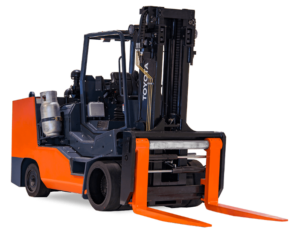

Florida employers who use skid steer loaders are facing new regulatory requirements that could result in significant OSHA citations if not addressed promptly. Recent updates to federal safety standards now mandate specific certification for skid steer operators, extending beyond traditional equipment training to address the unique hazards associated with these versatile machines. Understanding these requirements and implementing compliant training programs is crucial for protecting both your workforce and your business.
Understanding the New Skid Steer Certification Requirements
The updated OSHA standards recognize that skid steer loaders present distinct safety challenges that require specialized training beyond conventional equipment operation. These machines combine compact size with significant power, creating unique operational hazards that demand comprehensive operator preparation.
Electric skid steers operate differently from their diesel counterparts, with instant torque delivery, silent operation that can surprise nearby workers, and unique maintenance requirements that affect daily safety procedures. The new certification requirements acknowledge these differences and mandate training that addresses both operational techniques and electrical safety protocols.
Key Differences from Traditional Skid Steer Training
Traditional skid steer training focused primarily on operational techniques, load handling, and basic maintenance procedures. The new electric skid steer certification expands these requirements to include electrical system safety, battery handling protocols, charging station procedures, and emergency response for electrical incidents.
Operators must now demonstrate competency in recognizing electrical hazards, understanding proper lockout/tagout procedures for electric equipment, and implementing appropriate personal protective equipment when working around high-voltage systems. This expanded scope reflects the growing prevalence of electric equipment in construction and industrial applications.
Timeline and Compliance Deadlines
OSHA has established a phased implementation schedule for the new electric skid steer certification requirements, recognizing that employers need time to adjust their training programs and certify existing operators.
Phase 1: Immediate Requirements (Effective August 2025)
All new electric skid steer operators must complete certified training before beginning independent operation. Employers can no longer rely on general equipment training or informal on-the-job instruction for electric equipment operation. This immediate requirement applies to all new hires and existing employees being assigned to electric skid steer operation for the first time.
Companies purchasing new electric skid steer equipment must ensure operators are properly certified before the equipment enters service. This requirement extends to rental equipment, meaning temporary operators must also hold valid certification before operating electric units on your worksite.
Phase 2: Existing Operator Transition (Deadline: December 31, 2025)
Current skid steer operators who will be operating electric equipment must complete supplemental electric-specific training by the end of 2025. This training can build upon existing conventional skid steer certification but must address the unique aspects of electric equipment operation.
Employers have flexibility in scheduling this transition training but must maintain documentation showing progress toward full compliance. OSHA inspectors will expect to see training plans and completion schedules during workplace inspections, even if the final deadline hasn’t been reached.
Phase 3: Full Implementation (January 1, 2026)
Beginning in 2026, all electric skid steer operators must hold current certification specifically covering electric equipment operation. Generic powered industrial truck certification or conventional skid steer training will no longer satisfy OSHA requirements for electric equipment operation.
Annual recertification requirements will also take effect, ensuring operators stay current with evolving technology and safety procedures. This ongoing training requirement reflects the rapid advancement in electric equipment technology and the need for operators to understand new safety features and operational characteristics.
Who Needs Electric Skid Steer Certification
The new certification requirements apply broadly across industries that utilize electric skid steer equipment, extending beyond traditional construction applications to include warehousing, landscaping, agriculture, and specialty industrial operations.
Construction Industry Applications
Construction companies using electric skid steers for material handling, site preparation, or specialty applications must ensure all operators hold appropriate certification. This includes both direct employees and subcontractors operating on company worksites. General contractors bear responsibility for verifying subcontractor operator certification before allowing equipment operation.
The certification requirement extends to maintenance personnel who may operate electric skid steers during service procedures. Mechanics and technicians who move or test equipment as part of their duties must also complete operator certification training.
Warehouse and Industrial Operations
Electric skid steers are increasingly popular in warehouse and manufacturing environments due to their quiet operation and zero emissions. These applications require certification even when the equipment is used intermittently or by multiple operators on different shifts.
Supervisors and trainers who demonstrate equipment operation or conduct workplace evaluations must also hold valid certification. This ensures that instruction provided to new operators meets current safety standards and reflects proper techniques.
Rental and Temporary Operations
Companies that rent electric skid steer equipment must verify operator certification before releasing equipment for use. This verification responsibility extends to both equipment rental companies and the businesses renting the equipment for temporary projects.
Temporary staffing agencies providing operators for electric skid steer work must ensure their personnel hold appropriate certification before assignment. This requirement helps prevent situations where uncertified operators are assigned to equipment they’re not qualified to operate safely.
Training Components and Curriculum Requirements
The new electric skid steer certification training encompasses both classroom instruction and hands-on operational evaluation, with specific curriculum requirements that address the unique characteristics of electric equipment.
Electrical Safety Fundamentals
Operators must understand basic electrical safety principles, including recognition of electrical hazards, proper use of personal protective equipment, and emergency response procedures for electrical incidents. This training covers the specific voltage levels used in electric skid steers and the safety procedures required when working around high-voltage systems.
Battery safety training includes proper handling procedures, charging protocols, and recognition of signs indicating battery system problems. Operators learn to identify situations requiring immediate shutdown and the proper procedures for safely securing electric equipment during emergencies.
Operational Characteristics of Electric Equipment
Electric skid steers operate differently from conventional equipment, with instant torque delivery, regenerative braking systems, and unique performance characteristics that affect safe operation. Training must address these differences and help operators adapt their techniques accordingly.
Sound awareness training is particularly important since electric equipment operates much more quietly than conventional machinery. Operators learn enhanced communication techniques and situational awareness practices to compensate for reduced audible warnings that nearby workers might expect from traditional equipment.
Maintenance and Pre-Operational Inspection
Electric equipment requires different pre-operational inspection procedures that address electrical connections, battery condition, charging system status, and electronic diagnostic systems. Operators must understand what to look for during daily inspections and when to remove equipment from service.
Emergency shutdown procedures for electric equipment differ from conventional machinery and may involve specific sequences to safely de-energize electrical systems. Training must ensure operators can quickly and safely shut down equipment during various emergency scenarios.
Choosing a Qualified Training Provider
Not all training providers are qualified to deliver electric skid steer certification training. The specialized nature of this equipment requires instructors with specific knowledge and experience in both equipment operation and electrical safety principles.
Instructor Qualifications and Requirements
Qualified instructors must demonstrate competency in both conventional skid steer operation and electrical safety principles. This typically requires completion of specialized instructor training programs that address the unique aspects of electric equipment operation and safety.
Instructors should hold current certifications in electrical safety training and demonstrate hands-on experience with electric skid steer equipment. Generic equipment training instructors may not have the specialized knowledge required to effectively train operators on electric equipment safety and operational techniques.
Training Program Accreditation
Look for training providers whose electric skid steer programs meet or exceed OSHA requirements and industry best practices. Accredited programs typically provide more comprehensive training and better prepare operators for real-world situations they’ll encounter on the job.
Training providers should offer both classroom instruction and hands-on operational training using actual electric skid steer equipment. Programs that rely solely on simulators or conventional equipment may not adequately prepare operators for the unique characteristics of electric machinery.
Ongoing Support and Resources
The best training providers offer ongoing support to help employers maintain compliance as regulations evolve and equipment technology advances. This includes updates on regulatory changes, refresher training options, and technical support for workplace implementation of new safety procedures.
Consider providers who offer customized training programs that address your specific equipment models and operational requirements. Generic training may miss important details about the particular electric skid steers used in your operations.
Implementation Strategies for Florida Employers
Successfully implementing electric skid steer certification requirements requires strategic planning that considers your current operations, equipment inventory, and workforce development needs.
Assessment of Current Operations
Begin by identifying all electric skid steer equipment in your fleet and documenting which employees currently operate or may need to operate this equipment. This inventory helps determine the scope of training requirements and allows for efficient scheduling of certification programs.
Evaluate your current training programs to identify gaps that must be addressed to meet new electric equipment requirements. Existing conventional skid steer training may provide a foundation but will need supplementation to cover electric-specific safety and operational procedures.
Training Scheduling and Resource Planning
Develop a training schedule that ensures compliance with OSHA deadlines while minimizing disruption to ongoing operations. Consider offering multiple training sessions to accommodate different work schedules and ensure all affected employees can complete required certification.
Budget for both initial certification costs and ongoing recertification requirements. The investment in proper training typically pays for itself through reduced accidents, lower insurance costs, and avoidance of OSHA citations and penalties.
Documentation and Record Keeping
Establish comprehensive record-keeping systems to track certification completion, renewal dates, and any additional training provided to individual operators. These records are essential for demonstrating compliance during OSHA inspections and for managing ongoing training requirements.
Documentation should include training certificates, evaluation results, and any corrective training provided to address identified deficiencies. Proper record-keeping protects your company during investigations and helps identify trends that might indicate systemic training needs.
Penalties for Non-Compliance
OSHA enforcement of the new electric skid steer certification requirements includes significant financial penalties and potential criminal liability for employers who fail to ensure proper operator training.
Citation Categories and Fine Structure
Violations of electric skid steer certification requirements typically result in serious citations with penalties ranging from $15,625 to $156,259 per violation. Repeat violations or willful violations can result in penalties exceeding $1.5 million, making compliance far more cost-effective than facing enforcement actions.
Each uncertified operator can constitute a separate violation, meaning companies with multiple non-compliant operators face potentially devastating financial exposure. The penalties quickly exceed the cost of proper training programs, making investment in compliance an obvious business decision.
Beyond Financial Penalties
Non-compliance can result in work stoppages that halt operations until violations are corrected. These operational disruptions often cost far more than the direct OSHA penalties, particularly when they affect critical project deadlines or customer commitments.
Insurance implications of OSHA violations can include increased premiums, coverage restrictions, or policy cancellations. Many insurers now require documented compliance with equipment certification requirements as a condition of coverage, making non-compliance a threat to your ability to maintain necessary business insurance.
Preparing for OSHA Inspections
OSHA inspectors are increasingly focusing on equipment certification compliance during workplace inspections. Being prepared for these inspections can mean the difference between minor administrative issues and significant citations.
Documentation Review Process
Inspectors will typically request training records, certification documents, and equipment assignment records during compliance reviews. Having these documents organized and readily available demonstrates good faith compliance efforts and facilitates efficient inspection processes.
Ensure that training records clearly show completion of electric-specific training requirements rather than generic equipment training. Inspectors are trained to identify gaps between conventional training and the new electric equipment requirements.
Employee Interview Preparation
Inspectors may interview operators to verify their understanding of electric equipment safety procedures and operational requirements. Employees who cannot demonstrate knowledge of electric-specific safety procedures may trigger additional scrutiny and potential citations.
Regular safety meetings that reinforce electric equipment procedures help ensure employees can articulate proper safety practices during inspector interviews. These meetings also provide opportunities to address questions and reinforce critical safety concepts.
Technology Trends and Future Requirements
The electric equipment industry continues evolving rapidly, with new safety features, operational capabilities, and regulatory requirements emerging regularly. Staying informed about these trends helps employers anticipate future compliance requirements and make informed equipment investments.
Emerging Safety Technologies
New electric skid steers often include advanced safety features like proximity sensors, automatic shutdown systems, and integrated safety monitoring. Operators need training on these systems to use them effectively and maintain their safety benefits.
Telematics systems that monitor equipment operation and operator performance are becoming standard on electric equipment. Understanding how these systems work and what data they collect becomes important for both operators and supervisors managing equipment fleets.
Regulatory Evolution
OSHA continues refining electric equipment requirements as technology advances and incident data becomes available. Employers should expect ongoing updates to training requirements and safety standards as the regulatory framework develops.
Industry associations and equipment manufacturers are developing enhanced safety standards that may exceed minimum OSHA requirements. Following these evolving best practices often provides competitive advantages and demonstrates commitment to safety excellence.
Conclusion
The new electric skid steer certification requirements represent a significant shift in equipment safety regulation, reflecting the growing prevalence of electric machinery in commercial operations. Florida employers who act quickly to understand and implement these requirements will protect their workers, avoid costly citations, and position themselves for success in an increasingly electrified equipment landscape.
The transition period provides an opportunity to get ahead of requirements while avoiding the rush of employers scrambling to achieve compliance as deadlines approach. Investing in proper training now demonstrates safety leadership and ensures your operations can continue without disruption as enforcement increases.
Don’t wait until OSHA inspectors arrive to address electric skid steer certification requirements. The cost of compliance is far less than the price of violations, and the safety benefits to your workforce justify the investment regardless of regulatory requirements. Take action now to protect your employees, your business, and your competitive position in Florida’s evolving industrial landscape.