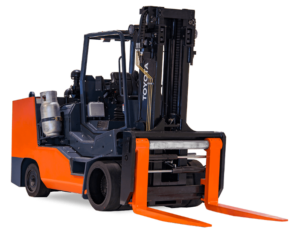
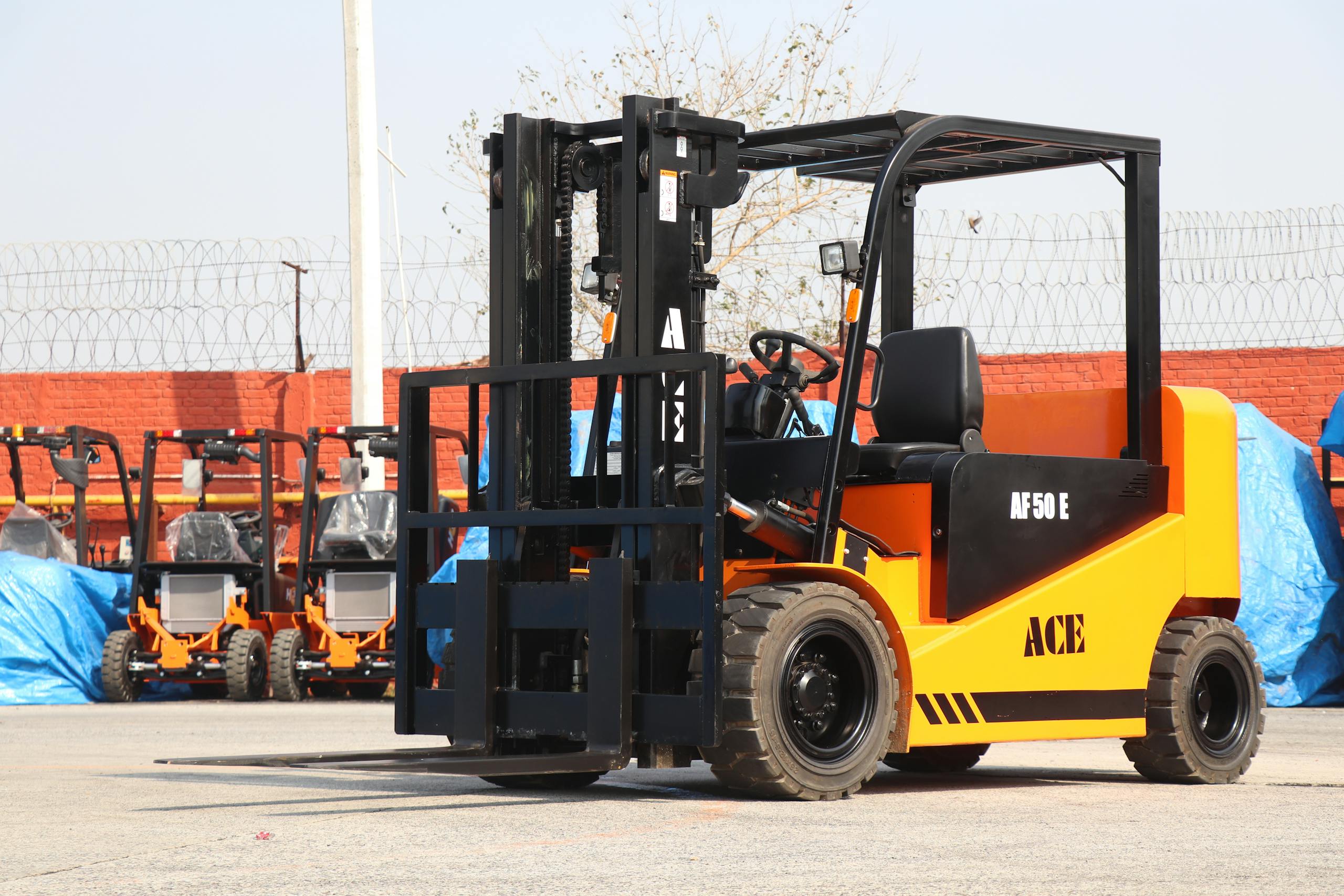
Rough terrain forklifts operate in some of the most challenging environments—construction sites with uneven surfaces, outdoor storage yards with variable conditions, and agricultural operations on unimproved ground. These demanding applications require rigorous safety procedures and operating rules that go beyond standard warehouse forklift practices. Understanding proper rough terrain forklift safety protocols protects Florida operators while maintaining compliance with OSHA requirements and preventing the tip-overs, struck-by incidents, and load handling accidents that plague outdoor forklift operations.
Understanding Rough Terrain Forklift Characteristics
Before addressing safety rules, operators must understand what distinguishes rough terrain forklifts from standard warehouse models and how these differences affect safe operation. The design features that enable outdoor operation also create specific safety considerations.
Design Features for Outdoor Use
Rough terrain forklifts feature pneumatic tires with deep treads providing traction on loose surfaces like gravel, dirt, and mud. These air-filled tires absorb shocks from uneven ground, maintaining stability on surfaces that would disable warehouse forklifts with solid tires.
Four-wheel drive systems distribute power to all wheels, providing traction on loose or sloped surfaces where two-wheel drive forklifts would lose grip. This capability allows operation on challenging terrain but also enables operators to attempt operations on surfaces too unstable for safe forklift use.
Higher ground clearance prevents undercarriage contact with uneven surfaces, rocks, or debris common on construction sites. The increased clearance allows navigation over obstacles but reduces overall stability by raising the center of gravity compared to low-profile warehouse forklifts.
Enhanced stability systems including wider wheelbases, lower centers of gravity despite ground clearance, and reinforced frames provide the stability necessary for outdoor operation. However, these stability enhancements don’t eliminate tip-over risks—they simply extend the operational envelope compared to warehouse models.
Enclosed cabs on many rough terrain models protect operators from weather, falling debris, and environmental hazards. While providing comfort and protection, cabs can reduce visibility and isolate operators from audible warnings they’d otherwise hear in open operator compartments.
Capability and Limitation Awareness
Rough terrain forklifts handle outdoor surfaces and moderate slopes that would stop warehouse forklifts, but this enhanced capability doesn’t mean they operate safely in all outdoor conditions. Understanding the limits of even capable equipment prevents operators from attempting operations beyond safe boundaries.
Maximum slope ratings typically range from 10-20% depending on equipment model and load conditions. These ratings represent absolute maximums under ideal conditions with properly distributed loads—not routine operating parameters. Real-world operations should stay well below rated maximums to maintain safety margins.
Load capacity reductions occur when operating on slopes, rough surfaces, or with boom extensions if so equipped. The capacity plate shows maximum loads under ideal level-surface conditions, but outdoor operations often require further capacity restrictions based on terrain and operational factors.
Surface condition limitations restrict operations on extremely soft ground, surfaces undermined by excavation or utility work, and areas where settling or washout could occur. Enhanced capability doesn’t equal unlimited terrain access—operators must assess ground conditions and recognize when surfaces don’t adequately support equipment weight.
Pre-Operational Inspection Requirements
OSHA 1910.178 requires daily pre-operational inspections before equipment use. Rough terrain forklifts need more comprehensive inspections than warehouse models due to harsh operating environments and exposure to weather, debris, and terrain impacts.
Critical Inspection Points
Tire condition assessment becomes critical for pneumatic tires that can develop cuts, punctures, or sidewall damage from rough terrain operation. Operators must check for adequate tread depth, proper inflation, cuts or bulges, embedded debris, and valve stem condition.
Under-inflated tires reduce stability and increase puncture risks, while over-inflation makes tires more susceptible to impact damage. Maintaining manufacturer-specified tire pressure provides optimal performance and equipment stability.
Hydraulic system inspection should identify leaks, damaged hoses, worn fittings, and adequate fluid levels. Outdoor operation exposes hydraulic components to weather, temperature extremes, and debris that accelerate wear and damage compared to indoor equipment.
Hydraulic leaks create slip hazards, environmental contamination, and eventual system failure. Small leaks discovered during inspections allow repairs before failures occur during operations, preventing potentially dangerous loss of lifting or steering capability.
Brake system verification includes testing service brakes and parking brake effectiveness. Outdoor operations on slopes and rough terrain demand reliable braking far more than level warehouse floors. Marginal brake performance acceptable indoors becomes dangerous on grades or loose surfaces.
Overhead guard and ROPS condition requires checking for cracks, damage, or missing components. The Rollover Protective Structure (ROPS) and overhead guard protect operators during tip-overs and falling object strikes—common outdoor hazards. Any structural damage compromises protection and requires immediate repair.
Visibility aids including mirrors, lights, and backup alarms should be present and functional. Outdoor operation often involves reduced visibility from dust, weather, or low-light conditions. Functional visibility aids become essential safety equipment, not optional accessories.
Documentation and Defect Reporting
Inspection checklists specific to rough terrain forklifts should address all critical components plus outdoor-specific items like weather protection, lighting, and terrain-related wear points. Completed checklists create records proving systematic inspection programs.
Defect reporting procedures must encourage operators to identify and report problems without fear of criticism or pressure to continue operating defective equipment. Clear processes for tagging out unsafe equipment and initiating repairs support proactive maintenance.
Equipment removal from service when inspections identify defects affecting safe operation prevents use of compromised equipment even when operational pressures create incentives to delay repairs. Safety locks or tags prevent unauthorized use until repairs are completed and verified.
Slope Operation Safety Rules
Operating on slopes represents one of the most dangerous aspects of rough terrain forklift use and the leading cause of tip-over fatalities. Strict adherence to slope safety rules prevents these catastrophic incidents.
Understanding Slope Limitations
Maximum grade specifications marked on equipment represent absolute limits under ideal conditions—level loads properly positioned, firm stable surfaces, and straight-line travel. Actual safe operating grades may be significantly less depending on circumstances.
Operators should reduce maximum grades by at least 25-50% as safety margins accounting for load variations, surface irregularities, and operational realities. A forklift rated for 20% grades should routinely operate on slopes no steeper than 10-15% maximum.
Grade assessment tools like digital inclinometers or smartphone apps provide objective slope measurement eliminating guesswork. Visual assessment alone typically underestimates slope, leading operators to attempt grades exceeding safe limits.
Many construction sites provide multiple approach routes to work areas. When possible, choose routes with minimal grades even if they require longer travel distances. The extra time proves negligible compared to tip-over risks on steeper approaches.
Load Positioning on Slopes
The fundamental slope rule: loads must always face uphill regardless of travel direction. This positioning keeps loads against the mast during both uphill and downhill travel, preventing them from pressing against the mast going uphill or breaking free going downhill.
When traveling uphill with a load, forks point upward ahead of the equipment. This positions the load uphill where it can’t shift forward off the forks. When descending with loads, travel in reverse with forks pointing uphill behind the equipment.
Load height during slope travel should be as low as possible—typically 4-6 inches above ground. Higher load positions raise the center of gravity, increasing tip-over risk during slope operations. Lower positions maximize stability even though ground clearance concerns may tempt operators to raise loads.
Speed reduction on grades proves essential for maintaining control. Momentum on downhill grades can overwhelm braking capacity, particularly on loose or slippery surfaces. Slow speeds allow controlled descent and provide time to react if traction loss begins.
Turning and Maneuvering on Slopes
Never turn on slopes. This rule cannot be overemphasized—turning while on grades dramatically increases tip-over risk by shifting weight distribution and reducing the effective stability triangle. Operators should complete turns on level ground before ascending or descending grades.
If terrain absolutely prevents avoiding turns on slopes, use the absolute minimum turning radius required, reduce speed to barely moving, and ensure loads face uphill throughout the maneuver. Even these precautions don’t eliminate risk—the safest approach remains avoiding slope turns entirely.
Cross-slope operation where equipment travels perpendicular to slope direction creates severe tip-over risks. The side-loading effect as gravity pulls the equipment and load downslope can overcome stability even on moderate grades. Avoid cross-slope travel except on minimal grades where tip-over risk is negligible.
Load Handling Safety Procedures
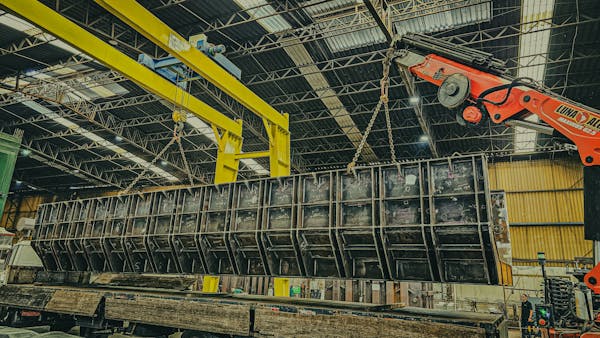
Proper load handling techniques prevent dropped loads, tip-overs, and stability-related incidents that injure operators and damage equipment, materials, and structures.
Load Capacity and Assessment
Capacity plate interpretation provides baseline maximum loads, but outdoor operations often require further capacity reductions. The plate assumes level surfaces, standard load centers, and ideal conditions rarely present on construction sites.
Capacity reductions apply when operating on slopes where gravity creates side-loading effects, on rough surfaces where terrain irregularities affect stability, at maximum lift heights where leverage increases tip-over risk, and with off-center or irregularly shaped loads affecting balance.
Load weight estimation requires operators to develop judgment about typical material weights. Common construction materials have predictable weights—a pallet of concrete blocks, bundle of lumber, or steel beam follows weight patterns operators should learn to estimate reasonably accurately.
When load weights are unknown or uncertain, start with conservative assumptions and verify stability before full lift. Better to make multiple trips with certain safe loads than attempt questionable single loads risking equipment and operator safety.
Fork Positioning and Load Engagement
Forks must extend fully under loads before lifting—partial insertion creates instability during transport and risks loads sliding off forks during turns, braking, or when encountering uneven surfaces. Full insertion distributes weight properly and secures loads against the backrest.
Fork spacing should match load width with forks positioned as wide apart as load configuration allows. Wider spacing distributes weight over broader base, improving stability compared to narrow fork positioning concentrating weight on smaller footprint.
Load centering on forks prevents side-to-side instability. The load’s center of gravity should align with the centerline between forks. Off-center positioning creates uneven weight distribution that can cause loads to slide sideways off forks during travel.
Backrest contact provides load security during transport. Loads should rest firmly against the backrest (also called load backrest extension), preventing forward sliding during braking or downhill travel. Tilting the mast back after lifting maintains this contact.
Travel and Transport Safety
Mast tilt during travel should position the mast slightly backward (load tilted toward operator) to keep loads against the backrest. However, excessive tilt raises loads unnecessarily and can shift the center of gravity unfavorably—proper tilt provides security without compromising stability.
Travel speed management requires constant adjustment based on load, terrain, traffic, and visibility. Maximum speeds appropriate for open level ground become excessive on rough terrain, near pedestrians, or when carrying unstable loads. Operators must continually assess appropriate speeds for current conditions.
Looking in direction of travel seems obvious but becomes challenging when traveling in reverse with loads. Operators must turn and look backward during reverse travel rather than relying solely on mirrors—mirrors provide limited field of view and don’t adequately show ground conditions or approaching hazards.
Horn use at intersections and blind corners alerts other workers and equipment operators to forklift approach. Outdoor construction sites with heavy equipment, multiple trades, and varying noise levels require active warning systems. Sounding the horn at all intersections creates predictable patterns helping others anticipate equipment movement.
Weather and Environmental Safety Considerations
Outdoor operation exposes rough terrain forklifts to weather conditions that significantly affect safe operation. Florida’s climate creates specific challenges requiring awareness and appropriate operational modifications.
Wind Effects on Stability
Wind loading on elevated loads can destabilize equipment even when stationary. Materials with large surface areas—plywood sheets, steel panels, or framing components—catch wind like sails, creating forces that can overcome equipment stability.
Wind speed thresholds for suspending operations vary by equipment and load characteristics, but operations should generally cease when sustained winds exceed 20-25 mph or gusts reach 30+ mph. Taller loads, lighter materials, and maximum reach situations require even lower wind speed thresholds.
Load orientation relative to wind direction affects stability. Presenting minimal load profile to wind direction reduces wind loading compared to broadside orientation. When possible, position loads to minimize wind exposure during lifts and travel.
Rain and Wet Surface Conditions
Traction reduction on wet surfaces affects braking distances, turning radius, and slope capability. Surfaces providing adequate traction when dry may become slippery when wet, requiring reduced speeds and increased caution.
Wet grass creates particularly slippery conditions despite appearing to provide traction. The combination of moisture and crushed grass creates lubrication effect that can cause sudden loss of traction during turns or on slight grades.
Visibility reduction from rain requires slower speeds, increased following distances, and heightened awareness. When rain reduces visibility significantly, operations may need to cease until conditions improve—productive pressure must not override safety requirements.
Mud and standing water can conceal ground conditions, hiding holes, soft spots, or debris that create hazards. What appears to be shallow standing water may actually be deep mud or undermined ground insufficient to support equipment weight.
Lightning and Severe Weather
Thunderstorm protocols should require suspending operations and securing equipment when lightning threatens. Florida’s frequent afternoon thunderstorms during summer months demand clear procedures for monitoring weather and ceasing operations before lightning arrives.
The metal construction of forklifts provides some lightning protection through the cab and ROPS structure, but remaining in equipment during electrical storms still creates risks. Operators should seek proper shelter in buildings or vehicles when lightning threatens rather than remaining on equipment.
Equipment securing before severe weather includes parking on level ground away from trees or structures that could fall on equipment, lowering forks completely, setting parking brakes, and shutting down engines. These basic precautions prevent weather-related damage and facilitate post-storm equipment recovery.
Heat and Sun Exposure
Heat stress affects operator alertness, judgment, and physical capability. Florida’s intense summer heat combined with humidity creates conditions where operators can develop heat exhaustion or heat stroke during extended shifts.
Proper hydration, scheduled breaks in shaded or air-conditioned areas, and awareness of heat stress symptoms help prevent heat-related illness. Operators should recognize that impaired judgment from heat affects their ability to make safe operational decisions.
Sun glare reduces visibility during certain times of day when sun angles align with travel directions. Awareness of blinding glare conditions and appropriate speed reduction prevents incidents caused by inability to see clearly.
Pedestrian and Multi-Equipment Coordination
Construction sites involve numerous workers and various equipment types operating simultaneously in overlapping areas. Coordination and communication prevent the struck-by incidents that cause many construction site injuries and fatalities.
Pedestrian Awareness and Right-of-Way
Designated walkways separate foot traffic from equipment operating areas where practical. However, construction site logistics often require workers on foot to share space with mobile equipment, creating interaction hazards requiring constant operator awareness.
Defensive operation assumes pedestrians may act unpredictably, not hear equipment approach, or step into travel paths without warning. Operators bear responsibility for avoiding pedestrian contact regardless of whether workers on foot follow safety protocols.
High-visibility clothing requirements for site personnel help operators spot workers earlier, but don’t eliminate the need for active scanning and awareness. Clothing color may not contrast with backgrounds in all situations, and operators must visually search for personnel rather than passively waiting for workers to become obvious.
Exclusion zones during lifting operations keep workers clear of potential load drop or tip-over areas. Before lifting, operators should verify that personnel are clear and establish communication about intended load movements and travel routes.
Equipment-to-Equipment Coordination
Traffic patterns on construction sites should establish right-of-way rules, one-way routes where feasible, and protocols for resolving conflicts when equipment operators encounter each other in tight spaces or at intersections.
Loaded equipment generally has right-of-way over unloaded equipment since loaded operations create greater control challenges and stopping difficulties. However, good practice involves positive communication between operators rather than relying solely on right-of-way rules.
Radio communication among equipment operators facilitates coordination, warns of approaching movements, and helps establish safe working distances. Clear, concise radio protocols prevent confusion and establish efficient communication patterns.
Spotter use when backing or maneuvering in congested areas provides verification of clearances that operators cannot see from equipment positions. Effective spotter communication requires established hand signals and clear understanding of spotter authority to stop operations.
Maintenance and Inspection Programs
Harsh outdoor operating conditions demand more rigorous maintenance than warehouse forklifts require. Preventive maintenance programs keep rough terrain forklifts safe and reliable despite challenging service environments.
Scheduled Maintenance Intervals
Manufacturer recommendations establish baseline service intervals, but outdoor operations may require more frequent service. Dusty, muddy, or extremely hot conditions accelerate wear and contamination requiring shortened intervals between service.
Filter replacements including air filters, hydraulic filters, and fuel filters prevent contamination damage. Outdoor operations expose equipment to dust, dirt, and debris that clog filters rapidly compared to clean indoor environments.
Fluid analysis programs detect developing problems through oil contamination, wear metals, or chemical breakdown before failures occur. Regular sampling provides early warning allowing preventive repairs rather than reactive breakdown response.
Outdoor-Specific Maintenance Concerns
Corrosion prevention becomes critical for equipment operating in coastal areas or exposed to moisture. Salt air near Florida’s coasts accelerates corrosion, requiring protective coatings, regular washing, and attention to vulnerable components.
Debris removal from undercarriage, engine compartment, and hydraulic components prevents damage and fire risks. Accumulated vegetation, trash, or construction debris can cause overheating, damage moving parts, or create ignition sources.
Tire maintenance including pressure monitoring, tread inspection, and timely replacement prevents failures that can cause loss of control or tip-overs. The pneumatic tires essential for rough terrain operation require active maintenance unlike the more durable solid tires on warehouse forklifts.
Training and Operator Qualification
Rough terrain forklift operation requires specialized training beyond standard warehouse forklift certification. The outdoor environment, slope operations, and variable terrain create training needs not addressed in generic forklift instruction.
Equipment-Specific Training Content
Training must address the specific characteristics of rough terrain forklifts including four-wheel drive operation, pneumatic tire maintenance, slope operation procedures, outdoor environmental factors, and construction site coordination.
Slope operation training should include both classroom instruction on slope limits and principles and practical hands-on experience operating on actual grades. Operators need to experience how equipment handles on slopes and develop judgment about safe grade limitations.
Load capacity training for outdoor operations must address capacity reductions from slopes, rough surfaces, and environmental factors. The variable capacity concepts specific to outdoor operation require more extensive instruction than level-surface warehouse operations.
Site-Specific Training Elements
OSHA compliance requires training on workplace-specific conditions where forklifts operate. Construction sites create constantly changing conditions requiring ongoing communication about current site hazards and procedures.
Site orientation for new operators should identify traffic patterns, grade locations, restricted areas, utilities and underground hazards, and coordination procedures with other trades and equipment.
Project-phase updates communicate changing site conditions as projects progress. Areas safe during early phases may become hazardous as excavation, utility work, or building construction creates new hazards requiring operational modifications.
Refresher Training Requirements
OSHA mandates refresher training at least every three years, with additional training required when operators demonstrate unsafe behaviors, are involved in accidents, or when significant workplace changes occur.
Rough terrain operations benefit from more frequent refreshers than the three-year maximum. Annual renewal maintains skills, provides opportunities to address new equipment or procedures, and reinforces critical safety principles like slope operation rules.
Emergency Procedures and Incident Response
Despite best practices and safety procedures, emergencies and incidents still occur. Preparation for emergency situations reduces severity and facilitates effective response.
Tip-Over Response
If tip-over begins, operators should remain in the cab with seatbelt fastened, holding firmly to steering wheel or grab bars while bracing for impact. The ROPS structure protects operators who remain in the protective zone—attempting to jump clear often results in operators being crushed beneath equipment.
After tip-over, operators should wait for assistance rather than attempting to exit if equipment position creates exit hazards. Emergency responders can assess the situation and assist safe egress better than operators acting independently in stressful post-incident conditions.
Equipment Failure Situations
Brake failure requires immediate actions including downshifting to use engine braking, applying parking brake gradually, and seeking uphill or level escape paths if possible. Operators should warn nearby personnel and be prepared to use terrain or structures to slow equipment if necessary.
Steering loss demands immediate reduction in speed and controlled stopping using available terrain. Continued operation without steering creates severe hazards—equipment must be stopped and secured as quickly as conditions safely allow.
Hydraulic failure affecting lifting or tilting requires careful lowering of loads if possible before complete system failure. Operators should not attempt to continue operations—even slow hydraulic leaks can progress to sudden complete failure.
Accident Reporting and Investigation
All accidents, near-misses, and equipment contact incidents require reporting regardless of severity. Near-miss analysis prevents future actual accidents by identifying and correcting hazards before injuries occur.
Incident investigation should focus on identifying system failures and correctable factors rather than simply assigning blame. Understanding why incidents occur guides effective prevention strategies addressing root causes.
Conclusion
Rough terrain forklift safety requires rigorous adherence to operating rules addressing the unique challenges of outdoor operation on uneven surfaces, slopes, and variable terrain. The enhanced capability of these specialized machines doesn’t eliminate hazards—it extends operational possibilities while demanding greater operator skill and awareness than warehouse forklift operation requires.
Understanding slope limitations and load positioning rules prevents the tip-over incidents that cause most serious rough terrain forklift injuries and fatalities. Comprehensive pre-operational inspections, weather awareness, pedestrian coordination, and systematic maintenance keep equipment operating safely despite harsh outdoor conditions.
Proper training specifically addressing rough terrain forklift characteristics and construction site operations provides the foundation for safe outdoor forklift use. Generic warehouse forklift certification doesn’t adequately prepare operators for the challenges of outdoor terrain, slopes, weather exposure, and construction site coordination.
Florida contractors and outdoor operations must recognize that rough terrain forklifts demand respect for their capabilities and limitations. The equipment can handle challenging conditions safely when operators follow proper procedures and maintain awareness of environmental factors affecting stability and control.
Don’t compromise on rough terrain forklift training or assume warehouse forklift skills transfer to outdoor operations. Invest in comprehensive equipment-specific certification that genuinely prepares operators for the demanding conditions they’ll face. Contact Forklift Safety Training Florida today to schedule rough terrain forklift training that delivers complete OSHA compliance and builds the specialized skills outdoor forklift operation requires. Our certified trainers provide site-specific OSHA-compliant instruction. English & Spanish available.