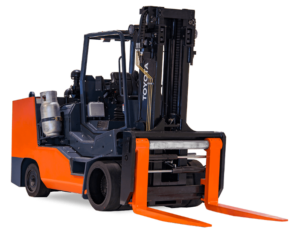

Construction sites present unique challenges for powered industrial equipment operation that require specialized training beyond standard warehouse forklift certification. From navigating uneven terrain to managing outdoor environmental factors, construction equipment operators face hazards that demand comprehensive safety preparation. Understanding the specific requirements for rough terrain forklifts, skid steer loaders, and other construction equipment helps Florida contractors maintain compliance while protecting their workforce from preventable accidents.
Understanding Construction Equipment Training Requirements
Construction sites utilize various types of powered equipment, each serving specific purposes and requiring distinct operator qualifications. OSHA construction standards establish clear training requirements that differ in important ways from general industry forklift regulations, reflecting the unique hazards present on construction sites.
Equipment Categories in Construction Operations
Rough terrain forklifts represent specialized equipment designed for outdoor use on unimproved surfaces where standard forklifts cannot operate safely. These machines feature pneumatic tires, higher ground clearance, and enhanced stability systems that allow operation on slopes, gravel, mud, and other challenging surfaces common on construction sites.
Skid steer loaders provide compact, versatile equipment ideal for tight construction spaces and diverse applications from material handling to site preparation. Their unique steering mechanism and compact footprint make them essential for many construction operations, but also create specific safety considerations that require specialized training.
Standard counterbalance forklifts may also be used on construction sites for loading and unloading materials, particularly near staging areas with improved surfaces. However, even these familiar machines require additional training for construction applications that addresses site-specific hazards not typically encountered in warehouse environments.
OSHA Requirements: 1926 vs 1910 Standards
Construction operations fall under OSHA 29 CFR 1926 rather than the general industry standard 29 CFR 1910 that governs warehouse and manufacturing operations. While both standards require operator certification and training, construction-specific regulations include additional requirements addressing the unique hazards of construction sites.
The powered industrial truck standard (1910.178) still applies to forklift operation on construction sites, but must be integrated with broader construction safety requirements including multi-employer worksite considerations, excavation hazards, overhead power line awareness, and temporary surface conditions.
Training must address both equipment operation and construction site-specific hazards that operators will encounter. This comprehensive approach ensures operators understand not just how to operate equipment, but how to do so safely within the complex, changing environment of active construction sites.
Unique Hazards on Construction Sites
Construction sites present operational challenges and safety hazards that distinguish them from the controlled environments of warehouses and manufacturing facilities. Understanding these unique conditions helps explain why specialized training is essential for construction equipment operators.
Uneven and Unstable Surfaces
Unlike the smooth, level floors of indoor facilities, construction sites feature constantly changing surface conditions including mud, gravel, compacted fill, and temporary roadways. These surfaces affect equipment stability, traction, and load capacity in ways that can surprise operators trained exclusively in warehouse environments.
Slopes and grades common on construction sites create stability challenges that require specific operational techniques. Operators must understand how grade affects load capacity, proper travel direction with loads, and situations where operations should be suspended due to excessive slope conditions.
Soft or undermined ground near excavations, trenches, or utility work creates hidden hazards that can cause equipment tip-overs even on apparently level surfaces. Training must emphasize ground condition assessment and awareness of subsurface work that could compromise equipment stability.
Weather and Environmental Exposure
Outdoor operation exposes both equipment and operators to weather conditions that significantly affect safe operation. Rain reduces visibility and traction while creating slippery surfaces that affect both equipment stability and load security. Wind can destabilize elevated loads, particularly when using rough terrain forklifts for high lifts or when handling materials with large surface areas.
Florida’s intense heat creates operator fatigue concerns that affect judgment and reaction time. Construction equipment training must address heat stress recognition, hydration requirements, and operational modifications needed during extreme weather conditions.
Lightning hazards during Florida’s frequent thunderstorms require clear protocols for suspending operations and securing equipment. Operators need to understand when weather conditions make continued operation unsafe and proper procedures for equipment shutdown and securing.
Overhead and Underground Utilities
Construction sites often operate near overhead power lines that create electrocution hazards for equipment with elevated masts or booms. OSHA construction safety standards establish minimum clearance distances and operational procedures for working near power lines that operators must understand and follow consistently.
Underground utilities including gas lines, electrical cables, and telecommunications infrastructure create hazards during loading, unloading, and travel operations. Operators must understand utility marking systems, exclusion zones around marked utilities, and procedures for operations near subsurface infrastructure.
Temporary power distribution, water lines, and other construction infrastructure create additional awareness requirements as site conditions change throughout project duration. Ongoing hazard recognition becomes critical as utility locations shift during different construction phases.
Multi-Employer Worksite Complexity
Construction sites typically involve multiple contractors, subcontractors, and specialty trades working simultaneously in overlapping areas. This complexity creates coordination challenges and increases the importance of clear communication, defined traffic patterns, and consistent safety practices across all site personnel.
Equipment operators must navigate around workers from multiple companies, each with potentially different safety cultures and communication practices. Training must emphasize defensive operation, clear communication protocols, and awareness of workers who may not be familiar with equipment capabilities and blind spots.
General contractors bear overall responsibility for site safety coordination, but individual employers retain responsibility for ensuring their operators receive appropriate training for site conditions. This shared responsibility structure requires clear communication and coordination to ensure comprehensive safety coverage.
Rough Terrain Forklift Training Requirements
Rough terrain forklift certification requires specialized instruction that addresses the unique characteristics and operational requirements of these powerful outdoor machines. Training must go beyond basic forklift operation to include skills specific to outdoor, unimproved surface operations.
Equipment Characteristics and Capabilities
Rough terrain forklifts feature larger pneumatic tires, four-wheel drive systems, and enhanced ground clearance that enable operation on surfaces where standard forklifts cannot safely travel. Understanding these capabilities helps operators maximize equipment utility while recognizing operational limitations that affect safety.
These machines typically offer greater load capacity and lift heights than standard warehouse forklifts, but capacity ratings vary significantly based on load center, lift height, and terrain conditions. Operators must understand how rough terrain conditions affect rated capacity and when operational restrictions apply.
Stabilization systems including outriggers or extended wheelbase configurations may be available on some models for enhanced stability during high-lift operations. Proper deployment and use of these systems requires specific training to ensure effective stabilization without creating new hazards.
Slope Operation Techniques
Operating on slopes represents one of the most challenging and dangerous aspects of rough terrain forklift use. Training must cover proper assessment of slope conditions, maximum grade limitations for the specific equipment, and correct operational techniques including load orientation, travel direction, and speed control.
When traveling with loads on slopes, proper load positioning becomes critical for maintaining stability. Loads must face uphill regardless of travel direction, keeping the load uphill prevents it from pressing against the mast and destabilizing the equipment during uphill travel or breaking free during downhill movement.
Speed control on slopes requires understanding how momentum affects braking effectiveness and equipment control. Operators must learn to use appropriate speeds, avoid sudden direction changes, and understand terrain conditions that require speed reduction beyond normal operating limits.
Load Handling in Outdoor Conditions
Outdoor load handling presents challenges not encountered in controlled warehouse environments. Wind effects on elevated loads require assessment of wind conditions before lifts and understanding of wind speed thresholds where operations should be suspended.
Load security becomes more critical when operating on uneven surfaces where sudden movements or unexpected terrain features could shift loads. Training must emphasize proper load evaluation, securing techniques, and travel procedures that minimize load movement during transport.
Variable surface traction affects braking distances and turning radius, requiring operators to adjust their techniques based on current surface conditions. Wet grass, mud, loose gravel, and other low-traction surfaces each require specific operational modifications to maintain control.
Equipment Maintenance and Inspection
Outdoor operation in construction environments creates increased maintenance demands compared to indoor equipment. Daily pre-operational inspections must address additional factors including tire condition, underbody damage from rough terrain, debris accumulation in engine compartments, and weathering effects on hydraulic systems and electrical components.
Operators need training on recognizing signs of excessive wear or damage from rough terrain operation. Bent forks, cracked welds, damaged tires, and hydraulic leaks become more common with outdoor use and require prompt attention to prevent equipment failure during operation.
Cleaning and maintenance procedures specific to rough terrain equipment help prevent premature failure and maintain safe operating conditions. Understanding manufacturer-recommended maintenance intervals and proper procedures for equipment care in harsh environments supports equipment longevity and reliability.
Skid Steer Loader Certification Essentials
Skid steer operator training addresses the unique control systems and operational characteristics that distinguish these versatile machines from traditional forklifts. Their compact size and maneuverability make them invaluable on construction sites, but also create specific safety considerations.
Understanding Skid Steer Control Systems
Skid steer loaders use a distinctive steering mechanism where left and right tracks or wheels operate independently, allowing the machine to pivot in place or execute extremely tight turns. This control system requires different operational techniques than traditional steering and takes time to master for operators unfamiliar with this approach.
Hand controls typically manage both steering and auxiliary hydraulic functions, requiring coordination and practice to operate smoothly. New operators often struggle with the sensitivity of controls and the machine’s instant response to control inputs, making gradual skill development essential during training.
Load attachment systems allow skid steers to utilize various implements including buckets, forks, augers, and specialized tools. Each attachment changes the machine’s operating characteristics, center of gravity, and proper operational techniques, requiring specific training for attachment-specific safe operation.
Visibility and Blind Spot Management
Compact design and operator positioning in skid steer loaders create significant blind spots that require specific management strategies. The machine’s own structure, coupled with various attachments, can severely restrict visibility in multiple directions simultaneously.
Training must emphasize systematic visual scanning, use of mirrors where available, and defensive operating techniques that account for limited visibility. Operators learn to anticipate potential hazards in blind areas and adopt operational patterns that minimize risks associated with reduced visibility.
Backing operations with elevated loads or large attachments require special attention as visibility is further compromised. Procedures for using spotters, establishing clear work areas, and verifying clearances become essential techniques for safe operation with limited sight lines.
Stability and Tip-Over Prevention
Skid steer loaders have a different stability profile than traditional forklifts due to their compact footprint and higher center of gravity. Understanding the stability safety specific to skid steers and how different attachments and load positions affect stability is crucial for preventing tip-over accidents.
Operating on slopes with skid steer equipment requires specific techniques different from rough terrain forklift operation. The machine’s steering characteristics and weight distribution create unique challenges when working on grades, requiring specialized training for slope operations.
Load positioning and travel speeds significantly affect stability. Training must cover proper assessment of load characteristics, correct positioning for various operations, and speed management appropriate for terrain conditions and load configurations.
Attachment-Specific Training Requirements
Different attachments create varying operational hazards and require specific operating techniques. Forks change the machine from a material handler to a lifting device, requiring understanding of load capacity, load center calculations, and proper lifting techniques similar to forklift operations but accounting for skid steer-specific characteristics.
Auger attachments create pinch points and entanglement hazards requiring specific safety awareness and operational procedures. Hydraulic breakers generate vibration and impact forces affecting equipment control and operator comfort, requiring training on proper use techniques and limitations.
Grapples, mulchers, and other specialty attachments each present unique hazards and operational considerations. Comprehensive training addresses the most common attachments used in the employer’s operations while establishing principles for safe operation of any attachment.
Multi-Equipment Certification Strategies for Construction Companies
Construction operations typically require multiple equipment types, creating training and certification challenges for employers managing diverse equipment fleets and operator pools. Strategic approaches to multi-equipment certification help control costs while ensuring comprehensive operator preparation.
Assessing Equipment and Training Needs
Begin by inventorying all powered equipment requiring operator certification, including rough terrain forklifts, skid steer loaders, aerial lifts, scissor lifts, and standard forklifts used on construction sites. Document which employees currently operate or may need to operate each equipment type.
Evaluate current operator qualifications against equipment inventory to identify training gaps. Some operators may hold certifications for warehouse forklifts but lack qualifications for rough terrain or skid steer equipment, while others may need complete initial certification for all equipment types.
Consider project-specific equipment needs that may vary from standard operations. Special projects or particular construction phases may require equipment not regularly used, necessitating additional operator training or temporary certified operator assignments.
Cost-Effective Training Scheduling
Group training for multiple operators on similar equipment reduces per-person costs while maintaining training quality. Scheduling certification for entire crews simultaneously ensures consistent training and establishes common safety language across operator groups.
Sequential training for operators needing multiple equipment certifications allows skill-building progression. Starting with foundational forklift training, then progressing to specialized equipment like rough terrain forklifts or skid steers,aerial lift and scissor lifts help operators build on existing knowledge while developing equipment-specific skills.
Coordinate training with project schedules to minimize operational disruption. Plan certifications during project transitions, weather delays, or slower periods when operator absence creates less impact on construction progress.
On-Site vs. Off-Site Training Considerations
On-site training using actual equipment in real work environments provides the most relevant preparation for operators. This approach addresses site-specific hazards, uses the actual equipment operators will use, and eliminates travel time and logistical complications.
Off-site training at dedicated facilities may be appropriate for initial certification when site conditions don’t allow safe training activities or when equipment isn’t yet on-site. However, OSHA requirements for site-specific training mean additional on-site evaluation and familiarization remain necessary even after off-site certification.
Forklift Safety Training Florida provides on-site certification that ensures complete OSHA compliance while addressing your specific site conditions and equipment. Our certified trainers come to your location, eliminating logistical challenges while providing the most relevant, applicable training possible.
Documentation and Record-Keeping Systems
Maintain comprehensive training records for each operator including equipment types certified, training dates, trainer qualifications, and site-specific elements addressed. These records are essential for demonstrating compliance during OSHA inspections and for managing certification renewals and refresher training requirements.
Implement systems to track certification expiration dates and trigger timely renewal training. Proactive renewal scheduling prevents situations where operators work with expired certifications, creating compliance violations and liability exposure.
Coordinate training documentation with broader site safety programs including orientation records, toolbox talk attendance, and incident reports. Integrated documentation provides comprehensive safety management and helps identify training needs or patterns requiring attention.
Florida Construction-Specific Considerations
Florida’s unique climate, soil conditions, and regulatory environment create specific considerations for construction equipment operation and training. Understanding these regional factors helps ensure training prepares operators for the actual conditions they’ll encounter.
Climate and Weather Challenges
Florida’s subtropical climate creates year-round operational challenges not encountered in many other regions. High humidity affects equipment cooling systems, electrical components, and operator comfort in ways requiring specific awareness and management strategies.
Intense summer heat creates heat stress risks that affect operator performance and safety. Training must address heat stress recognition, hydration requirements, scheduled breaks, and operational modifications during extreme heat conditions. Operators need to understand when heat conditions make continued safe operation impossible.
Frequent afternoon thunderstorms during summer months require clear protocols for suspending operations and securing equipment. Lightning detection systems, weather monitoring procedures, and equipment shutdown protocols become essential safety elements that training must address.
Hurricane Season Preparations
Hurricane season from June through November creates unique preparation requirements for construction sites. Equipment securing procedures, project shutdown protocols, and post-storm equipment inspection become essential skills that training should address.
Operators need to understand proper equipment positioning and securing techniques that prevent hurricane damage and facilitate post-storm site recovery. This includes fuel management, battery disconnection, and equipment relocation procedures appropriate for hurricane preparations.
Post-storm site hazards including downed power lines, flooding, weakened structures, and debris create dangerous conditions requiring enhanced hazard awareness and modified operational procedures. Training should address post-storm site assessment and safe equipment operation during recovery periods.
Soil and Ground Conditions
Florida’s predominantly sandy soils create unique stability challenges for heavy equipment operation. Understanding how sandy soil behaves under equipment weight, especially when wet, helps operators recognize situations requiring extra caution or operational restrictions.
Limestone bedrock near the surface in many areas creates hard, irregular subsurface that can damage equipment and affect stability. Operators need training on recognizing limestone outcrops and understanding how underlying rock formations affect equipment operation.
Coastal construction sites deal with saltwater exposure that accelerates corrosion and equipment degradation. Enhanced maintenance awareness and inspection procedures appropriate for coastal environments should be addressed in training for operations in coastal areas.
State and Local Regulatory Variations
While OSHA standards provide federal baseline requirements, Florida state agencies and local jurisdictions may impose additional requirements affecting construction operations. Understanding applicable local regulations ensures complete compliance beyond federal standards.
Some municipalities require additional permits, operator licenses, or specialized training for specific equipment types or construction activities. Training providers should be familiar with local requirements in areas where you operate and address these in certification programs.
Insurance carriers operating in Florida may impose requirements beyond regulatory minimums. Understanding your carrier’s training and documentation requirements ensures that certification programs satisfy both regulatory and insurance obligations.
Contractor Responsibilities on Multi-Employer Worksites
Construction sites involving multiple contractors create shared responsibility situations requiring clear understanding of training obligations and liability allocation. General contractors, subcontractors, and specialty trades each have specific responsibilities that affect overall site safety.
General Contractor Oversight Duties
General contractors bear overall responsibility for coordinating site safety including ensuring that all equipment operators working on site hold appropriate certifications. This includes verification of subcontractor operator qualifications before allowing equipment operation on the project.
Site-specific orientation and hazard communication for all contractors represents a general contractor responsibility that complements individual employer training obligations. This orientation addresses site-specific hazards, traffic patterns, emergency procedures, and coordination requirements that all site personnel must understand.
Establishing and enforcing consistent safety standards across all site contractors helps prevent accidents and ensures coordinated responses when incidents occur. General contractors must balance oversight responsibilities with respecting individual employer training and supervision obligations.
Subcontractor Training Obligations
Subcontractors retain primary responsibility for ensuring their employees receive appropriate equipment training and certification regardless of general contractor oversight. This includes providing equipment-specific training, site-specific instruction, and ongoing supervision to ensure safe practices.
When bringing equipment operators onto general contractor-managed sites, subcontractors must provide documentation of operator certifications and verify that training addresses anticipated site conditions and hazards. Failure to provide properly trained operators creates liability exposure for both the subcontractor and potentially the general contractor.
Coordination with general contractors on training requirements, site-specific hazards, and operational procedures ensures that subcontractor operators integrate safely into overall site operations. Clear communication of training documentation, equipment specifications, and operational limitations prevents misunderstandings that could lead to accidents.
Liability and Insurance Considerations
Multi-employer worksites create complex liability scenarios when accidents occur. Proper training documentation becomes crucial evidence in determining fault allocation and insurance coverage when incidents involve equipment from multiple employers or affect workers from different companies.
Insurance requirements often specify training standards and documentation that must be maintained to preserve coverage. Ensuring that all operators meet insurance carrier requirements protects both individual contractors and general contractors from coverage disputes following accidents.
Contractual obligations often specify training requirements, certification standards, and documentation that subcontractors must provide. Understanding and meeting these contractual obligations prevents disputes and ensures that training meets project-specific requirements.
Implementing Comprehensive Construction Equipment Training
Successful construction equipment training programs require systematic approaches that address equipment diversity, operator skill levels, site-specific hazards, and ongoing compliance requirements. Strategic implementation ensures training effectiveness while managing costs and operational impacts.
Training Provider Selection
Choose training providers with construction industry experience who understand the unique hazards and operational requirements of construction sites. Generic warehouse forklift trainers may lack the specialized knowledge needed for comprehensive construction equipment certification.
Verify that trainers hold appropriate qualifications and can demonstrate experience with all equipment types used in your operations. Instructor familiarity with rough terrain forklifts, skid steer loaders,aerial lifts,scissor lifts and construction site operations ensures relevant, applicable training that addresses actual workplace challenges.
Forklift Safety Training Florida specializes in construction industry training, providing certified instructors with extensive construction site experience. Our training includes instruction, policy and procedure, safe use, inspections, maintenance, written exam, and hands-on evaluation. Valid OSHA certification issued. Our certified trainers provide site-specific OSHA-compliant instruction. English & Spanish available.
Customized Content Development
Work with training providers to develop content addressing your specific equipment, operational procedures, and site conditions. Generic training programs may miss critical hazards or operational considerations unique to your projects and equipment fleet.
Include site-specific elements such as traffic patterns, loading zones, overhead power line locations, and excavation areas in training content. This customization ensures operators understand not just general safety principles but specific procedures required in their actual work environment.
Update training content as projects progress and site conditions change. Significant modifications to site layout, new equipment introduction, or changed operational procedures may require supplemental training to ensure operators remain current with evolving conditions.
Ongoing Safety Culture Development
View operator training as foundation for broader safety culture rather than isolated compliance activity. Regular safety meetings, toolbox talks, and pre-shift briefings reinforce training concepts and maintain safety awareness between formal training sessions.
Encourage operator feedback on safety concerns, near-miss reporting, and suggestions for operational improvements. Operators working daily with equipment often identify hazards or inefficiencies that management may not recognize, making their input valuable for continuous safety improvement.
Recognize and reward safe operation, proper equipment care, and proactive hazard identification. Positive reinforcement of desired behaviors strengthens safety culture and encourages continued attention to safe practices.
Conclusion
Construction site forklift safety requires specialized training that addresses the unique hazards and operational challenges of outdoor, multi-equipment construction environments. From rough terrain forklift certification to skid steer operator training, comprehensive preparation ensures operators can safely manage the complex conditions they encounter daily.
Florida construction companies face specific challenges including extreme weather, variable soil conditions, and hurricane season preparations that require region-specific training approaches. Understanding OSHA construction safety requirements alongside Florida-specific considerations ensures complete compliance while protecting workers from preventable accidents.
Multi-employer worksite complexity, diverse equipment requirements, and changing site conditions throughout project duration demand systematic approaches to operator training and certification. Strategic planning, qualified instruction, and ongoing safety culture development create foundations for safe, productive construction operations.Don’t compromise on construction equipment safety training. Invest in comprehensive, site-specific certification that prepares operators for the real-world challenges they’ll face on Florida construction sites. Contact Forklift Safety Training Florida today to schedule construction equipment training that delivers complete OSHA compliance and superior safety outcomes.