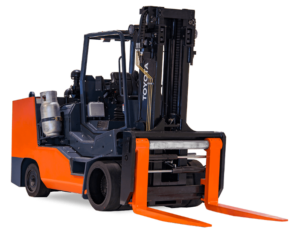

Electric pallet jacks represent the most numerous powered industrial trucks in many warehouses, distribution centers, and retail operations—yet they’re often the most undertrained equipment category. Many employers mistakenly believe these “simple” machines don’t require formal certification or that brief verbal instructions satisfy OSHA requirements. Understanding actual training obligations for electric pallet jacks helps Florida employers maintain compliance while preventing the thousands of injuries these machines cause annually.
Why Electric Pallet Jack Training Matters
Despite their seemingly straightforward operation, electric pallet jacks cause significant workplace injuries. Pedestrian workers struck by pallet jacks, operators with crushed feet from pinch points, back injuries from improper load handling, and incidents involving unstable loads all appear regularly in workplace accident reports.
The widespread use of pallet jacks creates numerous exposure opportunities for incidents. A single distribution center may operate dozens of pallet jacks simultaneously, with operators navigating congested aisles, loading docks, and high-traffic areas where pedestrians and equipment constantly interact. This operational intensity demands systematic training addressing both equipment operation and situational awareness.
OSHA 1910.178 classifies electric pallet jacks as powered industrial trucks subject to the same training requirements as forklifts and other material handling equipment. The regulation makes no distinction between large counterbalance forklifts and compact walkie pallet jacks—both require comprehensive operator training, performance evaluation, and certification before independent operation.
Employers who provide minimal or no training for pallet jack operators violate OSHA requirements and expose workers to preventable injuries. The misconception that these machines are “easy” or “safe” creates compliance gaps that inspectors readily identify during workplace visits.
Understanding Electric Pallet Jack Classifications
Electric pallet jacks fall into OSHA’s Class III category of powered industrial trucks, which encompasses electric motor hand trucks and hand/rider trucks. However, this broad classification includes machines with significantly different operational characteristics requiring distinct training approaches.
Walkie Pallet Jacks
Walkie pallet jacks position operators behind or alongside equipment, walking during operation while controlling the machine through a tiller arm. These machines typically travel at walking speed with operators maintaining direct contact with controls throughout operation.
Standard walkie models feature basic forward/reverse controls, lift/lower functions, and emergency stop mechanisms on the tiller arm. Operators walk behind the unit, steering through tiller arm movement and maintaining constant awareness of equipment position and surroundings.
Center-rider walkie jacks allow operators to stand on small platforms between the equipment body and load, though they’re still classified as walkie units due to operational similarities with standard models. This configuration provides slightly faster travel while maintaining the basic walkie control scheme.
The defining characteristic of walkie pallet jacks is the deadman control system that stops equipment movement when operators release the tiller. This safety feature prevents runaway equipment but requires operators to maintain continuous control contact, creating ergonomic considerations for extended use.
Rider Pallet Jacks
Rider pallet jacks provide platforms where operators stand while operating, allowing faster travel speeds than walkie configurations. These machines accelerate quickly, travel at speeds approaching small vehicle rates, and cover distances efficiently across large warehouse floors.
End-rider models position operators at equipment ends on platforms designed for standing operation. Controls typically include dual hand levers or joystick systems managing direction, speed, and lift functions. The elevated operator position provides better visibility than walkie configurations.
Center-rider models place operators between forks on platforms surrounded by protective structures. This positioning offers maximum visibility and maneuverability while providing some protection from side impacts. Travel speeds on center-riders can exceed 5-6 mph depending on model and configuration.
The higher speeds and different control systems of rider pallet jacks create distinct training needs compared to walkie units. Operators must learn acceleration management, braking distances, and maneuvering techniques specific to platform-based operation at higher speeds.
Straddle and Counterbalance Models
Some electric pallet jack configurations include outrigger legs that straddle loads for lifting pallets clear of the ground. These straddle stackers bridge the gap between simple pallet jacks and full-size forklifts, offering lifting capability exceeding standard pallet jack ground-level transport.
Counterbalance pallet jacks feature weight behind the axle like full-size forklifts, allowing higher lift heights and load capacities than standard pallet jacks. These machines approach forklift capability while maintaining more compact dimensions suitable for tight warehouse spaces.
The added capability of straddle and counterbalance models creates additional training requirements addressing load stability, lifting operations, and stacking procedures beyond basic pallet transport covered in standard pallet jack training.
OSHA Training Requirements for Electric Pallet Jacks
OSHA Standard 1910.178(l) establishes comprehensive training requirements that apply equally to all powered industrial trucks including electric pallet jacks. Employers cannot exempt pallet jack operators from training based on equipment simplicity or operator experience.
Mandatory Training Components
OSHA requires training programs to include three distinct components: formal instruction, practical training, and performance evaluation. Each component serves specific purposes that collectively ensure operator competency before independent equipment operation.
Formal instruction provides theoretical knowledge about equipment operation, workplace hazards, and safe operating procedures. This component can utilize various delivery methods including classroom lectures, videos, interactive computer programs, or written materials, but must address specific required topics.
Practical training gives operators hands-on experience with actual equipment in environments similar to real working conditions. This component cannot be replaced with simulation or virtual training—operators need experience with real equipment responses, actual load handling, and genuine operational challenges.
Performance evaluation verifies operator competency through direct observation of actual equipment operation. Evaluations must confirm that operators can perform pre-operational inspections, demonstrate safe equipment control, handle loads properly, and follow established safety procedures.
Required Training Topics
OSHA mandates that training address both truck-related and workplace-related subjects specific to pallet jack operations and the environments where they’re used.
Truck-related topics include operating instructions and controls for specific pallet jack models, differences between pallet jacks and other vehicles, steering and maneuvering techniques, visibility limitations and blind spots, load handling and stability principles, battery charging and maintenance procedures, and vehicle capacity and limitations.
Workplace-related topics encompass floor surface conditions affecting pallet jack operation, load composition and stability considerations, pedestrian traffic patterns in pallet jack operating areas, narrow aisles and congested spaces, dock and trailer operations, ramps and grade limitations, and facility-specific hazards and procedures.
The training must be specific to the actual pallet jack models operators will use and the workplace conditions where operation occurs. Generic training divorced from equipment specifics and site realities fails to meet OSHA requirements.
Trainer Qualifications
OSHA requires training to be conducted by “qualified persons” with knowledge, training, and experience to train operators and evaluate their competence. While the regulation doesn’t mandate specific trainer certifications, employers must ensure trainers possess genuine expertise.
Qualified trainers demonstrate thorough knowledge of pallet jack types used in the facility, understanding of workplace hazards affecting pallet jack operation, training skills enabling effective instruction to diverse learners, and evaluation capability to accurately assess operator competency.
Many employers choose professional training providers specializing in powered industrial truck certification rather than developing in-house programs. Professional trainers bring experience across multiple facilities, current knowledge of OSHA requirements and best practices, and systematic documentation supporting compliance verification.
Certification and Documentation
Operators who successfully complete training and evaluation receive certification documenting their qualifications. OSHA requires certification records to include operator name, training date, and trainer identity at minimum, though comprehensive records include additional details supporting compliance demonstration.
Employers must maintain training records for each operator. While OSHA doesn’t specify retention periods for pallet jack training documentation, maintaining records throughout employment plus additional years provides protection during accident investigations or compliance inspections.
Walkie Pallet Jack Training Specifics
Walkie pallet jack operation creates unique hazards and operational considerations requiring specific training emphasis. The close proximity of operators to equipment and loads, combined with pedestrian interaction in congested areas, demands careful attention to technique and awareness.
Control Systems and Operation
Walkie pallet jack tiller arms combine steering, speed control, directional selection, and emergency stop functions in a single control interface. Training must ensure operators understand how tiller position affects steering, how control sensitivity changes with speed settings, and proper use of emergency stop mechanisms.
Tiller arm positioning affects both steering precision and operator safety. The arm should be held at waist height for optimal control, avoiding positions that strain shoulders or reduce steering leverage. Improper tiller positioning creates control difficulties and ergonomic stress during extended operation.
Deadman controls stop equipment immediately when operators release the tiller. While providing important safety benefits, deadman systems require continuous grip maintenance that can cause hand fatigue during extended shifts. Training should address proper grip techniques minimizing fatigue while maintaining secure control.
Speed settings on many models allow operators to select maximum travel speeds appropriate for operating conditions. Training must cover when to use lower speed settings for congested areas, tight maneuvering, or when pulling loaded pallets requiring extra control.
Pedestrian Safety and Awareness
Walkie pallet jacks operate extensively in areas with heavy foot traffic, creating constant interaction hazards with workers on foot. The close proximity of walking operators to pedestrians in busy warehouse environments requires heightened awareness and defensive operating techniques.
Blind spots exist behind operators who walk facing forward while pulling loaded pallet jacks. Training must emphasize the importance of looking back frequently, using audible warnings when approaching blind corners, and understanding that loads blocking rear vision require traveling in reverse or using spotters.
Horn or bell use provides audible warnings alerting pedestrians to pallet jack approach. Operators should sound warnings at all cross-aisles, doorways, and blind corners regardless of whether pedestrians are visible. Consistent warning use creates predictable patterns that help pedestrians anticipate equipment presence.
Travel speed management in pedestrian areas prevents collisions even when pedestrians act unpredictably. Training should establish maximum speeds for various facility zones, emphasizing that operators bear responsibility for preventing pedestrian contact regardless of pedestrian actions.
Load Handling and Stability
Proper load engagement, transport techniques, and load security procedures prevent incidents where loads slide off forks, pallets break apart during transport, or unstable loads tip during maneuvering.
Fork positioning requires forks to extend fully under pallets before lifting. Partial insertion creates instability during transport and risks loads sliding off forks when operators brake, turn, or encounter uneven surfaces. Training must demonstrate proper fork placement for various pallet sizes and load configurations.
Pallet condition assessment before handling prevents situations where damaged pallets break apart during transport. Operators should learn to recognize cracked stringers, missing deck boards, and other damage indicating pallets unsuitable for mechanical handling.
Load height during travel should be maintained 4-6 inches above floor surfaces for optimal stability and visibility. Excessive height increases tip-over risk during turns, while insufficient clearance risks contact with uneven floors or debris.
Turning technique requires reducing speed before corners and understanding how centrifugal force affects load stability during turns. Abrupt direction changes at speed can destabilize loads even when forks are properly inserted and loads appear secure.
Charging Station Safety
Electric pallet jacks require regular charging, creating electrical hazards and battery handling risks. Training must address charging procedures, battery safety, and proper protocols for managing charge status throughout shifts.
Charging procedures include proper connector engagement, verification of charger operation, and understanding charging duration requirements. Operators need to know when batteries require charging and procedures for returning low-battery equipment to charging areas.
Battery changing on equipment with removable batteries requires proper lifting techniques, connection procedures, and spill response for traditional lead-acid batteries. While many modern pallet jacks use sealed batteries eliminating some hazards, facilities with older equipment must address conventional battery safety.
Charging area organization and cord management prevent equipment damage and electrical hazards. Designated charging zones, proper cord routing, and protocols for equipment awaiting charging help maintain orderly operations and prevent charging-related incidents.
Rider Pallet Jack Training Requirements
Rider pallet jack operation introduces higher speeds, platform mounting and dismounting procedures, and different control systems that require training beyond walkie pallet jack instruction. Operators certified on walkie units need additional training before operating rider configurations.
Platform Safety and Control
Mounting and dismounting rider pallet jack platforms safely prevents slips, falls, and pinch-point injuries that occur during platform access. Training must demonstrate three-point contact procedures, proper stance during operation, and awareness of overhead clearances that become relevant at operator head height.
Platform mounting requires three-point contact with operators maintaining grip on handles while stepping onto platforms. Mounting while equipment is moving, jumping onto platforms, or accessing platforms from sides rather than designated entry points creates fall risks.
Operating stance on rider platforms should distribute weight evenly with slight knee flex absorbing vibration and floor irregularities. Rigid locked-knee stance reduces stability and transmits floor impacts directly to the spine, while excessive forward lean creates fall-forward risks.
Overhead clearance awareness becomes critical when operators stand on elevated platforms. Doorways, mezzanines, ductwork, and lighting that provide adequate clearance for walkie operators may strike riders at head or shoulder height. Training must emphasize looking up and assessing clearances before travel.
Speed Management and Braking
Rider pallet jacks travel significantly faster than walkie units, creating different braking distance requirements and maneuvering dynamics. Training must address acceleration control, appropriate speeds for various conditions, and braking techniques that prevent load shifting.
Acceleration management prevents abrupt starts that can destabilize loads or cause operators to lose balance on platforms. Gradual acceleration allows operators to verify load security and maintain stable platform stance before reaching full travel speed.
Speed selection should reflect floor conditions, traffic density, and maneuvering requirements. Maximum speeds appropriate for open aisles become excessive in congested areas, near pedestrians, or when approaching corners. Training must develop judgment about appropriate speeds for varying conditions.
Braking technique requires gradual deceleration that maintains load stability and operator balance. Abrupt stops shift loads forward, potentially causing them to slide off forks or forcing operators forward on platforms. Progressive braking initiated well before intended stopping points provides controlled deceleration.
Visibility and Situational Awareness
Higher speeds and elevated operator positions on rider pallet jacks change visibility dynamics compared to walkie operation. Training must address both advantages of improved sight lines and challenges of managing higher-speed travel.
Forward visibility improves when operators stand on platforms rather than walking at ground level. This elevated perspective helps operators see over loads, identify approaching pedestrians earlier, and plan travel routes more effectively.
Peripheral vision becomes more important at higher speeds where operators need earlier warning of pedestrians or obstacles approaching from sides. Training should emphasize head movement and active scanning rather than tunnel vision focused directly ahead.
Stopping sight distance increases with travel speed, requiring operators to identify hazards at greater distances than walkie operation demands. Training must develop awareness of how speed affects reaction time and stopping distance.
Straddle Stacker and Counterbalance Training
Electric pallet jacks with straddle or counterbalance configurations that lift loads above ground level require additional training addressing stability, load capacity, and stacking operations beyond basic pallet transport.
Load Capacity and Stability
Straddle stackers and counterbalance pallet jacks have rated capacities that vary with lift height and load center distance. Training must cover capacity plate interpretation, load center concepts, and situations where apparent capacity doesn’t apply due to load characteristics.
Capacity plates display maximum loads under specified conditions, typically assuming 24-inch load centers and specific lift heights. Operators need training on how loads with different centers of gravity or unusual configurations affect safe lifting capacity.
Stability triangle principles apply to counterbalance models just as they do to full-size forklifts. Understanding how load position, lift height, and travel speed affect stability helps operators recognize situations creating tip-over risks.
Load assessment before lifting prevents overload situations and ensures proper handling techniques. Operators should estimate load weight, evaluate stability and condition, and verify capacity adequacy before attempting lifts.
Lifting and Stacking Operations
Equipment capable of elevated lifting requires training on proper lifting techniques, load positioning for stacking, and awareness of vertical clearances affecting safe operation.
Mast operation for equipment with vertical lift capability requires coordinated control of lift and tilt functions. Operators need practice raising and lowering loads smoothly, tilting appropriately for load security, and managing simultaneous mast movements.
Stack placement demands precise positioning before lift and careful load placement during lowering. Training should include practice approaching racks or stacks, aligning loads with target positions, and verifying clearances before beginning lifts.
Height restrictions from overhead structures, rack beams, or ceiling clearances require constant awareness during lifting operations. Operators must understand maximum lift heights with various load sizes and verify adequate clearance before elevating loads.
Site-Specific Training Elements
Beyond equipment-specific instruction, OSHA compliance requires training on workplace-specific conditions affecting pallet jack operation. This site-specific component addresses the actual environment where operators work.
Facility Layout and Traffic Patterns
Training should include facility tours identifying designated pallet jack travel routes, pedestrian walkways, restricted areas, loading dock procedures, and intersections requiring extra caution. Operators need familiarity with actual facility layout rather than just generic warehouse concepts.
Aisle width variations affect appropriate equipment speeds and maneuvering techniques. Wide open aisles allow higher speeds, while narrow passages between racks require slower, more controlled operation. Training should address speed management for different facility zones.
Traffic flow patterns including one-way aisles, right-of-way rules at intersections, and coordination protocols with other equipment operators help prevent collisions. Clear understanding of facility traffic rules creates predictable patterns that all operators follow.
Restricted areas where pallet jack operation is prohibited or requires special authorization should be clearly identified. Production zones, quality control areas, or high-security locations may limit pallet jack access to specific operators or require escort procedures.
Loading Dock Operations
Many pallet jack incidents occur during loading and unloading operations at docks where equipment transitions between warehouse floors and trailer beds. Training must address dock-specific hazards and procedures.
Dock plate safety includes verifying proper positioning before crossing, understanding weight limits, and recognizing when plates shift or become unstable. Improper dock plate use creates serious fall and equipment damage risks.
Trailer entry procedures require verification of wheel chocks, trailer stability, and adequate lighting before entering. Training should emphasize never entering trailers until proper securing procedures are confirmed.
Grade transitions between dock levels and trailer floors affect pallet jack stability and control. Operators need techniques for safely navigating these transitions with loaded pallets without tipping or losing load control.
Surface Conditions and Restrictions
Floor surface conditions significantly affect pallet jack operation, creating varying traction, stability, and control characteristics. Site-specific training addresses actual floor conditions operators encounter.
Smooth warehouse floors provide ideal operating surfaces but may become slippery when wet or contaminated with spills. Training should address how to recognize slippery conditions and adjust speeds accordingly.
Expansion joints, cracks, and uneven surfaces create bumps that can destabilize loads or cause equipment control challenges. Operators should learn to identify problematic surfaces and use appropriate speeds when navigating rough areas.
Grade limitations on ramps, dock approaches, or sloped floors require understanding maximum grades where safe operation is possible. Training must clarify that manufacturers’ slope ratings represent absolute maximums, not routine operating conditions.
Refresher Training and Ongoing Requirements
OSHA requires refresher training and evaluation at least every three years for all powered industrial truck operators including pallet jack users. Additional training is required when specific triggers occur regardless of time since initial certification.
Training Triggers
Observed unsafe operation requires immediate supplemental training addressing deficient behaviors. Supervisors who observe operators violating procedures, demonstrating poor technique, or creating hazards must arrange training rather than merely counseling operators.
Accident or near-miss involvement triggers training requirements even when operators aren’t at fault. Any incident suggests possible training gaps requiring attention before similar situations cause actual injuries.
Equipment type changes require training when operators begin using different pallet jack configurations than those covered in previous certification. Certification on walkie units doesn’t transfer to rider models without additional training.
Workplace condition changes that create new hazards or significantly alter operations necessitate supplemental training. Facility modifications, new processes, or changed traffic patterns may require updated instruction even when equipment remains the same.
Proactive Renewal Programs
While OSHA allows certifications to last up to three years, many employers implement more frequent renewal schedules. Shorter intervals maintain operator skills, provide opportunities to introduce updated safety information, and reduce risks of certification lapses.
Renewal training should include both refresher content reviewing fundamental principles and new material addressing equipment updates, procedural changes, or lessons learned from incidents. This combination maintains core skills while keeping operators current with evolving conditions.
Common Training Deficiencies and How to Avoid Them
Several training shortcomings appear repeatedly across facilities, creating compliance vulnerabilities and accident risks. Understanding common deficiencies helps employers implement programs that genuinely meet regulatory requirements.
Inadequate Equipment-Specific Content
Generic powered industrial truck training that doesn’t differentiate between forklifts, pallet jacks, and other equipment types fails to address pallet jack-specific operational characteristics and hazards. Training must focus on actual equipment operators will use.
Solution: Develop or obtain training programs specifically designed for electric pallet jacks that address walkie vs. rider differences, pedestrian safety emphasis, and load handling techniques specific to pallet-level operations.
Missing Practical Training Component
Classroom-only training without hands-on equipment operation doesn’t satisfy OSHA requirements and leaves operators unprepared for actual equipment operation. Practical experience with real equipment remains mandatory.
Solution: Ensure all operators receive supervised hands-on training with the actual pallet jack models they’ll operate. Practice should occur in conditions similar to real operations, building confidence and muscle memory before independent work.
Insufficient Site-Specific Elements
Training focused exclusively on equipment operation without addressing facility layout, traffic patterns, or location-specific hazards misses critical OSHA-required content about workplace conditions affecting safe operation.
Solution: Include facility tours, traffic pattern instruction, and discussion of site-specific procedures as part of certification programs. Operators should understand facility-specific requirements, not just generic operating principles.
Poor Documentation Practices
Inadequate training records or missing documentation creates compliance vulnerabilities during inspections and fails to prove that training occurred. Documentation represents crucial compliance evidence.
Solution: Implement systematic record-keeping capturing all required information including operator names, training dates, equipment types covered, trainer identification, and evaluation results. Store records centrally with backup systems preventing loss.
Implementing Effective Pallet Jack Training Programs
Successful training programs require systematic approaches addressing regulatory requirements, operational needs, and practical implementation challenges. Strategic planning ensures programs deliver genuine operator competency while maintaining compliance.
Needs Assessment and Planning
Begin by inventorying all electric pallet jacks in your facility, categorizing by type (walkie, rider, straddle, etc.), and identifying which employees operate or may operate each type. Evaluate current training status to identify gaps requiring attention.
Consider operational applications and facility conditions affecting training emphasis. Warehouse equipment training requirements differ from retail backroom applications or industrial receiving operations, requiring adjusted focus even for identical equipment.
Training Delivery Options
On-site training using your actual equipment in your facility provides optimal preparation addressing specific equipment and workplace conditions. This approach eliminates travel time, uses equipment operators will actually run, and addresses site-specific elements impossible to cover in off-site programs.
Group training for multiple operators simultaneously reduces per-person costs while ensuring consistent instruction across operator groups. Scheduling certifications for entire shifts or departments creates efficiency while establishing common safety language.
Forklift Safety Training Florida provides comprehensive on-site electric pallet jack certification for all configurations including walkie, rider, and straddle models. Our training includes instruction, policy and procedure, safe use, inspections, maintenance, written exam, and hands-on evaluation. Valid OSHA certification issued. Our certified trainers provide site-specific OSHA-compliant instruction. English & Spanish available.
Documentation and Compliance Management
Implement tracking systems managing certification status, renewal dates, and training history for all pallet jack operators. Automated alerts for approaching expirations allow proactive renewal scheduling preventing certification gaps.
Maintain organized documentation proving compliance including training records, equipment-specific certifications, and evaluation results. These records demonstrate systematic safety management during OSHA inspections and support defenses following accidents.
Conduct periodic compliance audits verifying that only certified operators use equipment, certifications remain current, and training addresses all equipment types in use. Regular self-assessment identifies problems before inspectors arrive.
Conclusion
Electric pallet jack training requirements match those for all powered industrial trucks under OSHA 1910.178, despite common misconceptions that these “simple” machines don’t need formal certification. Comprehensive training addressing equipment-specific characteristics, workplace conditions, and proper operating techniques protects Florida employers from violations while preventing the thousands of pallet jack-related injuries occurring annually.
Understanding the differences between walkie and rider configurations, recognizing that various pallet jack types require distinct training approaches, and implementing systematic programs with formal instruction, practical training, and performance evaluation creates genuine operator competency supporting both compliance and safety.
Electric pallet jacks may seem simple, but their widespread use in congested environments with constant pedestrian interaction creates substantial injury risks that proper training effectively reduces. Employers who invest in comprehensive certification programs build skilled operator workforces capable of safe, efficient operations while maintaining full OSHA compliance.
Don’t underestimate electric pallet jack training requirements or assume brief instructions satisfy regulatory obligations. Implement complete programs that address all equipment types, workplace conditions, and OSHA-mandated training components. Contact Forklift Safety Training Florida today to schedule electric pallet jack certification that delivers compliance, develops genuine operator skills, and protects your Florida operation from preventable incidents and costly violations.