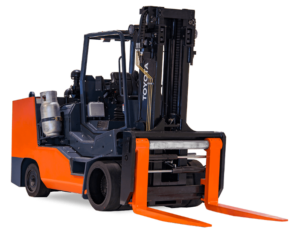

Florida’s thriving logistics and distribution sector depends on skilled equipment operators who can safely and efficiently manage the diverse machinery essential to modern warehouse operations. From standard counterbalance forklifts to specialized order pickers and reach trucks, each piece of equipment requires specific operator training and certification to ensure OSHA compliance and workplace safety. Understanding the comprehensive training requirements for warehouse equipment helps distribution center managers maintain productive operations while protecting their workforce from preventable injuries.
Understanding Warehouse Equipment Categories
Distribution centers utilize various types of powered industrial trucks, each designed for specific operational needs and warehouse configurations. OSHA warehousing standards classify equipment into distinct categories, with training requirements varying based on equipment characteristics and operational hazards.
Powered Industrial Truck Classifications
OSHA categorizes powered industrial trucks into seven classes based on power source, operator position, and operational characteristics. Class I includes electric motor rider trucks like sit-down counterbalance forklifts commonly used for general material handling throughout warehouses. Class II encompasses electric motor narrow aisle trucks including reach trucks and order pickers designed for high-density storage operations.
Class III consists of electric motor hand trucks and hand/rider trucks, primarily electric pallet jacks that represent the most numerous equipment type in many distribution facilities. Class IV and V include internal combustion engine trucks with solid and pneumatic tires respectively, though these are less common in modern enclosed warehouse environments due to emissions concerns.
Class VI and VII cover electric and internal combustion engine tractors used primarily for towing operations rather than lifting. Understanding these classifications helps employers identify appropriate training requirements for their specific equipment fleet.
Equipment-Specific Operational Characteristics
Each equipment type presents unique operational characteristics that affect training requirements. Standard counterbalance forklifts provide the most versatile material handling capability, suitable for loading trucks, moving pallets across facilities, and stacking loads at moderate heights. Their familiar three-point stability system and straightforward controls make them the foundation of most warehouse equipment training programs.
Reach trucks extend forks forward to access deep rack positions while maintaining compact dimensions for narrow aisle operation. This forward reach capability changes the equipment’s stability profile and requires specific training on proper load handling, travel restrictions with extended loads, and navigation in confined spaces.
Order pickers elevate operators to various heights for manual order selection from racking systems. These machines create fall hazards, require different load handling techniques than standard forklifts, and demand specific training on working at height, proper platform use, and load center considerations when operators select items from racks.
Electric pallet jacks, whether walkie or rider models, provide efficient pallet movement across warehouse floors. While seemingly simple, these machines require training on pedestrian safety, load stability during acceleration and turning, and proper use in busy warehouse traffic patterns.
Matching Equipment to Operational Needs
Effective warehouse equipment management requires matching equipment types to specific operational requirements. High-volume cross-dock operations emphasize speed and efficiency, favoring standard forklifts and rider pallet jacks that move loads quickly across open floor space. High-density storage facilities prioritize space utilization, utilizing reach trucks and order pickers that maximize vertical storage and minimize aisle width.
E-commerce fulfillment centers often require diverse equipment fleets supporting different operational zones. Receiving areas may use standard forklifts for unloading trucks and moving bulk quantities, while picking zones employ order pickers for individual item selection, and shipping areas utilize pallet jacks for staging and loading operations.
Understanding how different equipment types support various warehouse functions helps managers develop comprehensive training strategies that prepare operators for the specific equipment they’ll use in their assigned work areas.
OSHA Training Requirements for Warehouse Equipment
OSHA materials handling standards establish specific training requirements that apply to all powered industrial truck operators regardless of equipment type. These requirements ensure operators receive comprehensive instruction before operating equipment independently in warehouse environments.
Mandatory Training Components
OSHA requires training programs to include formal instruction covering operating procedures, hazard recognition, and equipment limitations. This formal instruction can utilize lectures, videos, interactive computer programs, or written materials that convey essential safety information and operational principles.
Practical training must provide hands-on experience with the actual equipment types operators will use, conducted in environments similar to actual working conditions. This practical component cannot be replaced with simulation or virtual training, as operators need experience with real equipment responses, actual load handling, and genuine operational challenges.
Evaluation procedures must verify operator competency through observation of actual equipment operation, including pre-operational inspections, equipment control, load handling, and safe operating practices. Trainers must document successful completion of these evaluations before operators work independently.
Trainer Qualifications and Responsibilities
OSHA requires that training be conducted by qualified persons with knowledge, training, and experience enabling them to train operators and evaluate competence. While OSHA doesn’t mandate specific trainer certifications, employers must ensure trainers possess genuine expertise in the equipment types being taught and understand warehouse-specific hazards.
Trainers bear responsibility for customizing training to specific equipment used in the workplace, addressing site-specific hazards present in the actual warehouse environment, and ensuring operators understand both general safety principles and facility-specific procedures. General training programs often fail to address critical site-specific elements that affect safe operation.
Documentation of trainer qualifications, training content covered, and operator evaluations creates essential records demonstrating compliance during OSHA inspections. These records should clearly identify equipment types covered, site-specific elements addressed, and evaluation results for each certified operator.
Site-Specific Training Elements
Beyond equipment-specific instruction, OSHA compliance requirements mandate training on workplace-specific conditions affecting safe operation. This includes building layout, traffic patterns, loading dock procedures, rack configuration, floor surface conditions, overhead clearances, and pedestrian traffic areas specific to each facility.
Different warehouse zones may present varying hazards requiring specific training. Freezer or cooler areas create visibility, traction, and cold stress concerns. Narrow aisle high-rack areas require precise maneuvering and height awareness. Shipping and receiving zones involve trailer loading with associated dock safety and vehicle interaction concerns.
Effective site-specific training walks operators through actual work areas, identifies specific hazards they’ll encounter, and establishes clear procedures for managing these conditions safely. This practical familiarization proves far more effective than generic facility descriptions in classroom settings.
Documentation and Record Keeping
Employers must maintain training records for each operator including operator name, training dates, trainer identification, and evaluation results. OSHA requires record retention for at least three years .Maintaining them throughout employment plus additional years could provide protection during investigations following workplace accidents.
While OSHA doesn’t specify retention periods for these records, maintaining them throughout employment plus additional years provides protection during investigations following workplace accidents.
Training documentation should detail specific equipment types for which operators are certified, site-specific elements covered during training, and dates of any supplemental or refresher training programs. Comprehensive documentation demonstrates systematic compliance and supports defense against citations following incidents.
Regular audits of training records identify operators with approaching certification expirations, track training currency across the operator population, and highlight needs for supplemental training when equipment or procedures change.
Forklift Certification for Warehouse Applications
Forklift operator certification represents the foundation of warehouse equipment training programs, as forklifts handle the heaviest loads and create the most severe injury risks in distribution operations. Comprehensive forklift training prepares operators for diverse warehouse applications from truck loading to high stacking operations.
Counterbalance Forklift Fundamentals
Standard counterbalance forklifts derive their name from the weight positioned behind the front axle that counterbalances forward loads, creating a stability triangle formed by the two front wheels and rear pivot point. Understanding this stability system helps operators recognize how load position, lift height, travel speed, and turning affect equipment stability.
Load capacity decreases as loads move forward from the backrest, rise higher, or tilt backward excessively. Operators must understand load center concepts, how to read capacity plates, and situations where apparent capacity doesn’t apply due to load configuration or operational conditions.
Three-point contact procedures during mounting and dismounting, proper seatbelt use, and correct operator positioning affect safety during operation and potential accidents. Training must emphasize these fundamentals rather than assuming operators understand proper practices.
Truck Loading and Dock Safety
Loading and unloading operations create unique hazards requiring specific training. Trailer stability, dock lock verification, wheel chock placement, and safe trailer entry procedures prevent accidents where forklifts fall from docks or trailers separate from docks with operators inside.
Grade transitions between dock boards and trailers affect forklift stability and control. Operators need training on proper speed, load orientation, and steering while navigating these transitions. Sloped dock boards, worn boards, or improperly positioned boards create additional hazards requiring operator awareness and alternative procedures.
Trailer capacity considerations affect safe loading practices. Operators must understand weight distribution requirements, avoid overloading trailers, and recognize signs of trailer instability during loading operations. This training becomes particularly important when loading trailers with unknown weight capacities or questionable structural conditions.
Rack Interaction and Aisle Navigation
High-rack warehouses create vertical hazards requiring specific operator awareness and techniques. Upright damage from forklift impacts weakens rack structures, potentially leading to catastrophic rack collapses. Training must emphasize proper approach angles, mast positioning, and load placement techniques that prevent rack contact.
Narrow aisle operation requires precise steering control, spatial awareness, and understanding of forklift dimensions including fork spread, load width, and mast height. Operators need practice navigating actual aisle widths with typical loads before working independently in tight spaces.
Beam awareness when raising and lowering loads prevents situations where loads catch on rack beams, destabilizing racks or dropping loads unexpectedly. Operators must verify adequate vertical clearance, understand load height when elevated, and recognize situations requiring extra caution during rack placement.
Load Handling Best Practices
Proper load evaluation before lifting prevents overload situations and ensures safe handling techniques. Operators should assess load weight, stability, size, and center of gravity before attempting lifts. Unusual loads, damaged pallets, or top-heavy configurations require modified handling procedures.
Fork positioning affects load stability and safe transport. Forks should extend fully under loads, be spaced appropriate to load width, and be level during insertion. Partially inserted forks or improper spacing creates tip risks and load stability problems during travel.
Tilting back loads during travel prevents forward sliding but excessive tilt destabilizes equipment. Training must establish proper tilt angles for different load types and explain how excessive tilt affects the stability triangle.
Electric Pallet Jack Operations and Safety
Electric pallet jack training addresses the most numerous equipment type in many warehouses. While often perceived as simple, pallet jacks create significant injury risks from pedestrian interactions, pinch points, and loss of load control requiring comprehensive operator training.
Walkie vs. Rider Pallet Jack Differences
Walkie pallet jacks position operators behind equipment, walking alongside during operation. This configuration requires constant operator attention to foot positioning, awareness of equipment movement, and proper use of deadman controls that stop equipment when released. Operators must understand safe walking speeds, proper turning techniques, and procedures for avoiding pinch points between equipment and structures.
Rider pallet jacks allow operators to stand on platforms while operating, increasing travel speeds and operator efficiency but creating new hazards. Platform mounting and dismounting procedures, proper stance during operation, and awareness of overhead clearances become critical safety elements for rider jack operation.
Control differences between walkie and rider models require specific training for each type. Tiller arm controls on walkie jacks differ substantially from standing platform controls on rider models, with distinct operational techniques required for safe operation of each configuration.
Pedestrian Safety and Traffic Management
Pallet jacks operate extensively in areas with heavy pedestrian traffic, creating constant interaction hazards. Operators need training on maintaining awareness of workers in congested areas, using horns or warnings when approaching blind corners, and understanding right-of-way rules that prevent collisions.
Speed management in pedestrian areas prevents accidents even when pedestrians act unpredictably. Training should establish appropriate speed limits for various warehouse zones, techniques for quickly stopping when pedestrians appear unexpectedly, and procedures for areas with particularly heavy foot traffic.
Visibility limitations when transporting loads require specific operational modifications. Loads blocking forward vision necessitate traveling in reverse or using spotters in congested areas. Training must address these situations rather than assuming operators will adapt appropriate procedures independently.
Load Stability and Control
Pallet jack load stability differs from forklift stability due to load positioning directly over wheels rather than cantilevered forward. However, acceleration, braking, and turning can destabilize loads, particularly when handling tall or top-heavy configurations.
Proper pallet engagement prevents loads from sliding off forks during transport. Fork positioning fully under pallets, verification of pallet condition before lifting, and appropriate lift height for travel conditions all affect safe load transport with pallet jacks.
Grade transitions, dock plates, and uneven surfaces create challenges for maintaining load control with pallet jacks. Training should address proper approach angles, speed management on grades, and recognition of surface conditions requiring extra caution or alternative equipment.
Charging Station Safety and Battery Handling
Electric pallet jacks require regular charging, creating electrical hazards and battery handling risks. Operators need training on proper charging procedures, recognition of battery warning indicators, and protocols for reporting equipment with insufficient charge for assigned tasks.
Battery changing procedures for equipment requiring removable batteries include proper lifting techniques, connection procedures, and spill response for lead-acid batteries. While many modern pallet jacks use sealed batteries eliminating some hazards, facilities with older equipment must address traditional battery safety.
Charging station organization and procedures prevent equipment damage and electrical hazards. Designated charging areas, proper cord management, and protocols for equipment awaiting charging help maintain orderly operations and prevent damage to equipment or infrastructure.
Reach Truck and Order Picker Certification
Specialized warehouse equipment like reach trucks and order pickers requires advanced training beyond standard forklift certification. These machines operate in narrow aisles, handle loads at extreme heights, and create unique hazards requiring specific operator skills and awareness.
Reach Truck Operational Principles
Reach trucks extend forks forward to access loads in deep rack positions while maintaining compact equipment dimensions for narrow aisle navigation. This reach mechanism fundamentally changes equipment stability, requiring operators to understand how extended loads affect the stability triangle and proper travel restrictions.
Pantograph or scissor reach mechanisms move forks horizontally independent of mast movement, allowing operators to position loads precisely in rack locations. Operating these mechanisms requires coordination and practice, as simultaneous mast movement and reach extension creates complex load positioning challenges.
Narrow aisle maneuvering with reach trucks demands precise steering control and spatial awareness. Training must provide extensive practice in actual narrow aisles with typical loads, building operator confidence in close-quarters maneuvering required for efficient high-density warehouse operations.
Order Picker Safety and Fall Prevention
Order pickers elevate operators to various heights for manual selection of items from warehouse racks. This creates fall hazards requiring specific training on proper platform use, fall protection equipment when required, and recognition of conditions making elevated work unsafe.
Proper platform positioning before exiting into rack structures prevents falls from misaligned platforms or unstable positions. Operators must verify platform stability, engage safety gates properly, and understand maximum reach distances that maintain safe balance.
Load building on order picker platforms affects equipment stability as collected items accumulate. Training should address proper load distribution on platforms, maximum platform load capacities, and procedures for managing unusually heavy or bulky items during order selection.
Working at Height Considerations
Elevated work creates unique psychological and physical challenges that not all operators manage comfortably. Training should assess operator comfort with heights and provide gradual exposure that builds confidence before assigning operators to high-level order picking.
Overhead clearances, lighting conditions, and rack beam navigation become critical considerations when working at elevated positions. Operators need training on managing these factors while selecting items, maintaining awareness of equipment positioning, and avoiding contact with rack structures or overhead obstacles.
Emergency descent procedures for equipment malfunctions while elevated prevent situations where operators become stranded at height. Understanding manual lowering mechanisms, communication procedures for obtaining assistance, and proper actions during equipment failures ensures operators can respond appropriately to emergency situations.
Load Center Management with Varying Item Weights
Unlike forklift operation where loads remain on pallets with predictable centers of gravity, order picking involves collecting multiple items with varying weights and sizes. This creates dynamic load center situations requiring constant operator awareness and adjustment.
Proper load building techniques place heavy items low on platforms and distribute weight evenly across platform width. Operators need training on evaluating item weights, planning pick sequences that maintain platform stability, and recognizing situations where platform loading creates unsafe conditions.
Equipment stability changes as picks accumulate and platform loads increase. Training must address how operators should monitor equipment behavior, recognize signs of instability, and understand maximum practical platform loads beyond which additional picking becomes unsafe.
Multi-Equipment Operator Training Programs
Distribution centers often require operators to run multiple equipment types, creating challenges for training programs that must address diverse machinery while managing costs and operational disruption. Strategic multi-equipment certification approaches maximize operator flexibility while ensuring comprehensive preparation.
Assessing Operational Needs and Operator Capabilities
Begin by analyzing operational requirements to determine which equipment types each operator position requires. Some roles may need certification on multiple equipment types used interchangeably throughout shifts, while others primarily use one equipment type with occasional secondary equipment needs.
Evaluate individual operator capabilities, experience, and comfort levels with different equipment types. Experienced forklift operators may quickly master reach trucks, while new operators benefit from building foundational skills on simpler equipment before progressing to more complex machinery.
Consider operational zones and their equipment requirements. Receiving areas might primarily need forklift operators, picking zones require order picker certification, and shipping areas emphasize pallet jack operation. Matching operator certifications to zone assignments improves efficiency while managing training scope.
Sequential vs. Concurrent Training Approaches
Sequential training progresses operators through equipment types in logical skill-building order. Starting with electric pallet jacks builds basic powered equipment familiarity, progressing to counterbalance forklifts develops load handling skills, then advancing to reach trucks or order pickers adds specialized techniques building on foundational knowledge.
Concurrent training certifies operators on multiple equipment types simultaneously or in close succession. This approach works well for experienced operators adding equipment types to existing certifications or situations where operational needs require immediate multi-equipment capability.
Hybrid approaches combine both strategies, providing foundational training on primary equipment, followed by brief operational periods, then adding secondary equipment certifications once operators demonstrate competency on primary machinery. This balances skill development with operational flexibility.
Cost Management and Training Efficiency
Group training for multiple operators on the same equipment type reduces per-person costs while ensuring consistent training across operator groups. Scheduling full classes helps negotiate favorable rates with training providers and minimizes operational disruption through coordinated operator absence.
On-site training using facility equipment and actual work environments provides the most cost-effective approach while ensuring complete site-specific instruction. This eliminates travel time, uses equipment operators will actually run, and addresses facility-specific hazards that off-site training cannot adequately cover.
Forklift Safety Training Florida provides comprehensive on-site warehouse equipment certification for all powered industrial truck types. Our training includes instruction, policy and procedure, safe use, inspections, maintenance, written exam, and hands-on evaluation. Valid OSHA certification issued. Our certified trainers provide site-specific OSHA-compliant instruction. English & Spanish available.
Documentation Systems for Multiple Certifications
Tracking systems must clearly identify which equipment types each operator is certified to operate, certification dates, and scheduled renewal dates for each equipment type. Color-coded operator badges, database systems, or certification cards displaying equipment type icons help supervisors quickly verify operator qualifications.
Renewal scheduling becomes more complex with operators holding multiple equipment certifications at different stages of their certification cycle. Systems should flag approaching expirations well in advance, allowing proactive renewal scheduling that prevents certification gaps.
Coordinate multi-equipment renewals when practical, combining related equipment types into single refresher training sessions that efficiently address multiple certifications. This reduces training frequency while ensuring comprehensive review across all equipment types operators use.
Integrating Safety with Productivity in Warehouse Operations
Effective warehouse equipment training balances safety compliance with operational efficiency, recognizing that well-trained operators work both safely and productively. This integration creates positive safety cultures where safety practices enhance rather than hinder operational performance.
Equipment Efficiency Through Proper Technique
Proper load handling techniques improve both safety and efficiency. Correct fork positioning, appropriate mast angles, and smooth operation reduce product damage while accelerating handling speeds. Training that emphasizes these connections helps operators understand that safe techniques often represent the most efficient approaches.
Strategic route planning and organized traffic patterns prevent congestion while reducing accident risks. Training operators on facility layout, optimal travel routes, and coordination with other operators improves productivity while minimizing interaction hazards in busy warehouse environments.
Equipment maintenance awareness helps operators identify developing problems before they cause failures. Training on pre-operational inspections, recognition of abnormal equipment behavior, and prompt reporting of concerns prevents breakdowns that disrupt operations and potentially create safety hazards.
Ergonomic Considerations and Injury Prevention
Equipment operator positioning and work technique affect long-term operator health. Training should address proper seating adjustment, appropriate use of controls requiring minimal reach or force, and awareness of repetitive motion concerns from frequent equipment operation.
Mounting and dismounting procedures using three-point contact and avoiding jumping from equipment prevent slip and fall injuries while reducing fatigue that accumulates over long shifts. NIOSH ergonomic guidelines support training content addressing these concerns.
Break scheduling and work rotation policies that limit consecutive hours of equipment operation help prevent fatigue-related errors and reduce cumulative physical stress on operators. Training should explain these policies and their importance for maintaining operator alertness and physical wellbeing.
Building Safety Culture Through Engagement
Operator involvement in safety improvements builds investment in positive safety outcomes. Training that encourages questions, welcomes suggestions, and treats operators as safety partners rather than passive recipients of instruction creates foundation for strong safety culture.
Near-miss reporting systems that operators trust and that produce responsive action help identify hazards before they cause injuries. Training should establish these reporting systems, explain their importance, and demonstrate management commitment to acting on operator safety concerns.
Recognition programs celebrating safe operation, proper equipment care, and proactive hazard identification reinforce desired behaviors. Including these topics in initial training establishes expectations that safety engagement brings positive recognition rather than being merely a compliance obligation.
Performance Monitoring and Continuous Improvement
Observational monitoring of operator performance identifies training needs and reinforces positive practices. Regular floor presence by supervisors trained in safe equipment operation allows real-time coaching that addresses developing bad habits before they become established patterns.
Incident investigation that identifies training deficiencies guides program improvements. Analyzing workplace accident trends helps determine whether incidents result from inadequate training, insufficient supervision, or systemic factors requiring broader operational changes.
Feedback mechanisms that allow operators to report training gaps or areas needing additional instruction help refine programs over time. Post-training surveys, regular safety meetings, and open-door policies encouraging operator communication all contribute to program evolution based on actual operational experience.
Florida Distribution Center Considerations
Florida’s position as a major logistics hub serving diverse markets creates unique considerations for warehouse equipment training. Understanding regional factors helps ensure training prepares operators for specific conditions they’ll encounter in Florida distribution operations.
Climate Control and Temperature Variation
Florida’s heat and humidity affect both operator comfort and equipment performance in non-climate-controlled facilities. Training should address heat stress recognition, proper hydration, and operational modifications during extreme temperature conditions that affect operator alertness and judgment.
Climate-controlled facilities maintaining specific temperature ranges for pharmaceutical, food, or technology products create environmental challenges requiring specific awareness. Training for operators working in coolers or freezers must address cold stress, visibility reduction from temperature differentials, and equipment performance in extreme cold.
Temperature transitions between facility zones require operator awareness of how sudden temperature changes affect attention and equipment operation. Condensation on equipment entering cold areas from warm zones, or visibility challenges when entering warm areas from freezers, require specific operational modifications.
Hurricane Preparedness and Storm Response
Hurricane season preparation requires protocols for securing equipment, protecting inventory, and safely shutting down operations before storm arrival. Training should address equipment positioning away from vulnerable areas, disconnecting power sources, and procedures for rapid facility closure when hurricane warnings are issued.
Post-storm facility assessment and equipment inspection help identify damage and unsafe conditions before resuming operations. Training operators on post-storm safety concerns including potential structural damage, power supply problems, and water intrusion affecting equipment safety supports safe return to operations.
Business continuity planning for distribution operations during hurricane season includes backup plans for critical operations, alternative facility preparation, and coordination protocols. While not traditional equipment training topics, awareness of these plans helps operators understand their roles during emergency situations.
Port Proximity and International Shipping
Distribution centers near Florida ports often handle international shipments requiring specific considerations. Equipment operators may encounter unique load configurations, metric measurements, or international shipping materials requiring adapted handling techniques.
Customs documentation and security protocols for international shipments may affect warehouse operations and equipment access to certain areas. Training should address these limitations and procedures for coordinating equipment operation with customs inspection and security requirements.
Intermodal container handling, when applicable to facility operations, requires specific training on container stability, proper rigging points, and safety considerations when loading or unloading shipping containers using warehouse equipment.
E-commerce Growth and Operational Intensity
Florida’s substantial e-commerce fulfillment presence creates high-intensity warehouse environments with demanding productivity expectations. Training must prepare operators for fast-paced operations while emphasizing that safety remains paramount despite productivity pressures.
Peak season volume fluctuations common in e-commerce create periods requiring temporary operators or extended hours for regular staff. Training systems must accommodate rapid onboarding while maintaining safety standards during periods when operational pressure is greatest.
Technology integration including warehouse management systems, order picking software, and automated storage systems affects operator roles and training needs. Operators need preparation for interacting with these technologies while maintaining focus on safe equipment operation.
Certification Renewal and Ongoing Training
OSHA mandates specific certification expiration dates, best practices recommend regular renewal training to maintain operator skills and address evolving workplace conditions. Systematic renewal programs prevent skill degradation while ensuring operators remain current with changing operations.
Evaluation Triggers Requiring Supplemental Training
OSHA requires additional training when operators demonstrate unsafe behaviors, are involved in accidents or near-misses, or receive evaluation results indicating deficient skills. Supervisors must recognize these situations and arrange appropriate supplemental training rather than merely counseling operators on observed deficiencies.
Workplace changes including new equipment introduction, facility modifications affecting traffic patterns or operational procedures, or assignment of operators to different warehouse areas with distinct hazards all trigger supplemental training requirements. Training systems must identify these situations and ensure operators receive instruction addressing changed conditions.
Extended periods away from equipment operation due to injury, temporary assignment to other roles, or seasonal workforce reductions may necessitate refresher training before operators return to equipment operation. Developing clear policies on absence duration triggering training helps maintain consistent safety standards.
Structured Renewal Programs
Proactive renewal programs scheduled at regular intervals maintain operator skills regardless of whether specific triggers occur. While OSHA allows forklift operator certifications to last a maximum of three years, Forklift Safety Training Florida renews certifications every two years, with 3 year renewals available upon request. We’ve found this schedule keeps teams sharper, reduces the risk of lapses, and helps employers stay ahead of compliance requirements.
Renewal training should include both refresher content reviewing fundamental principles and updated material addressing new regulations, equipment models, or operational procedures introduced since initial certification. This balance maintains core skills while keeping operators current with evolving workplace conditions.
Evaluation components in renewal training verify continued operator competency rather than assuming operators maintain skills automatically over time. Observation of actual equipment operation, updated written assessments, and demonstration of current inspection procedures ensure renewal training provides meaningful verification of ongoing capability.
Continuous Learning and Skill Development
Beyond formal certification and renewal, ongoing learning opportunities help operators maintain engagement with safety topics and develop advanced skills. Monthly toolbox talks, safety meetings featuring equipment operation topics, and pre-shift briefings addressing seasonal hazards or recent incidents keep safety awareness active between formal training sessions.
Peer mentoring programs pairing experienced operators with newer team members support skill development while building safety culture. Structured mentoring with clear objectives, regular check-ins, and recognition of mentor contributions creates effective learning relationships beyond formal training.
Career development pathways linking equipment operation skills to advancement opportunities motivate operators to pursue excellence. Lead operator positions, trainer roles, or supervision opportunities available to operators demonstrating superior skills and safety awareness create incentives for continuous improvement.
Conclusion
Comprehensive warehouse equipment certification provides essential foundation for safe, efficient Florida distribution operations. From forklift operator certification to electric pallet jack training, properly trained operators protect themselves and coworkers while maintaining the productivity levels modern logistics demands.
Understanding OSHA warehousing standards and implementing systematic training programs that address facility-specific conditions ensures complete compliance while building strong safety cultures. Multi-equipment certification strategies, ongoing skill development, and regular certification renewals maintain operator capabilities as warehouse operations evolve.
Florida distribution centers face unique considerations from climate challenges to e-commerce intensity that require thoughtful training approaches. Partnering with experienced training providers who understand both regulatory requirements and practical operational demands delivers superior safety outcomes and operational performance.
Don’t compromise on warehouse equipment operator training. Invest in comprehensive certification that prepares your team for the complex demands of modern distribution operations. Contact Forklift Safety Training Florida today to schedule warehouse equipment training that delivers complete OSHA compliance and builds the skilled operator workforce your operations deserve.