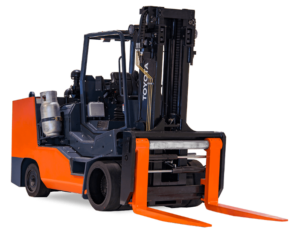
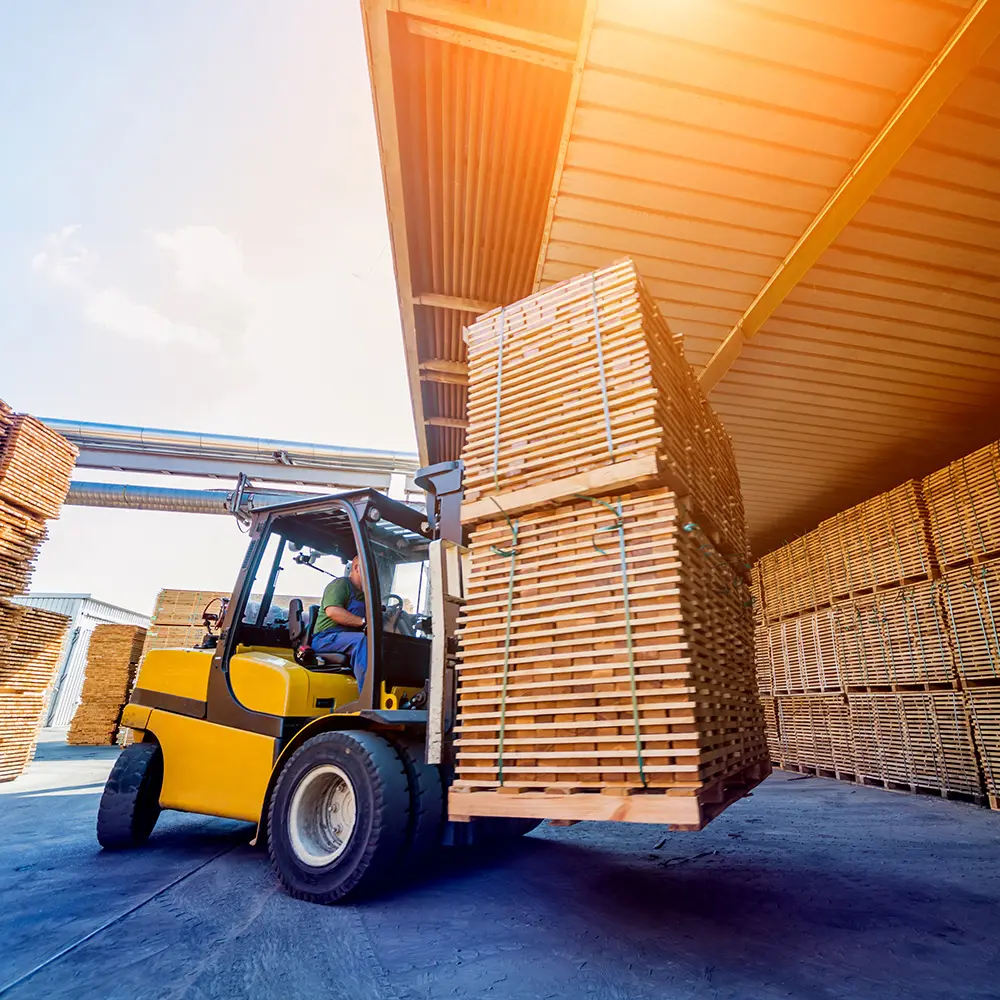
Navigating OSHA regulations can feel overwhelming, especially when dealing with technical documents filled with regulatory language. OSHA Standard 1910.178 governs powered industrial truck safety—but what does that actually mean for Florida employers? This guide breaks down the regulation into plain English, explaining exactly what you need to know to keep your workplace compliant and your operators safe.
What is OSHA 1910.178?
OSHA Standard 1910.178 is the federal regulation that establishes safety requirements for powered industrial trucks—the official term for forklifts, pallet jacks, reach trucks, order pickers, and similar equipment used to move materials in warehouses, manufacturing facilities, retail stores, and other workplaces.
Published under Title 29 of the Code of Federal Regulations (CFR), this standard was established to prevent workplace injuries and fatalities caused by powered industrial truck operations. According to NIOSH data, approximately 85 workers are killed and 34,900 seriously injured in forklift-related incidents annually in the United States.
The regulation covers everything from operator training requirements to equipment maintenance, load handling procedures to workplace conditions. While the full text runs many pages and includes technical specifications, the core requirements focus on three main areas: operator training and certification, equipment safety standards, and workplace operating procedures.
Understanding 1910.178 isn’t just about avoiding OSHA citations—it’s about creating a systematic approach to material handling safety that protects workers and supports efficient operations. The standard provides a framework that, when properly implemented, dramatically reduces accident risks while establishing clear expectations for both employers and operators.
Who Must Comply with OSHA 1910.178?
Any employer whose workers operate powered industrial trucks must comply with 1910.178 requirements. This includes warehouses, distribution centers, manufacturing facilities, retail operations, construction sites using forklifts, and any other workplace where powered equipment moves materials.
The regulation applies regardless of company size. A small retail store with one forklift operator faces the same compliance obligations as a major distribution center with hundreds of operators. OSHA doesn’t provide exemptions based on business size, industry sector, or equipment quantity—if your employees operate powered industrial trucks, you must comply.
Specific employer responsibilities under 1910.178 include:
Providing comprehensive operator training that includes formal instruction, practical training, and performance evaluation. Employers cannot simply hand operators keys and expect them to figure out equipment operation through trial and error.
Ensuring only trained and certified operators use powered industrial trucks. This means establishing systems that verify operator qualifications before allowing equipment operation and preventing unauthorized use by untrained personnel.
Maintaining equipment in safe operating condition through daily inspections, preventive maintenance, and prompt repairs. Employers bear responsibility for equipment safety regardless of whether they own, lease, or rent the equipment.
Establishing safe operating procedures appropriate for the workplace. This includes traffic patterns, load limits, prohibited practices, and site-specific rules addressing unique hazards present in the facility.
Providing refresher training when performance deficiencies are observed, accidents occur, or workplace conditions change significantly. Training isn’t a one-time event but an ongoing process ensuring operators remain current with safety requirements.
Understanding Powered Industrial Truck Classifications
OSHA organizes powered industrial trucks into seven distinct classes based on design characteristics and power sources. Understanding these classifications helps employers identify appropriate training requirements and safety procedures for their specific equipment.
Class I: Electric Motor Rider Trucks include sit-down counterbalance forklifts with cushion or solid tires, commonly used for indoor material handling in warehouses and manufacturing facilities. These represent the most familiar forklift design and the equipment type most people picture when thinking about forklifts.
Class II: Electric Motor Narrow Aisle Trucks encompass reach trucks, order pickers, and side-loaders designed for high-density storage operations. These machines operate in aisles narrower than standard forklifts can navigate, maximizing warehouse storage capacity.
Class III: Electric Motor Hand Trucks and Hand/Rider Trucks include electric pallet jacks in both walkie and rider configurations. These are the most numerous powered industrial trucks in many facilities, handling pallet movement across warehouse floors.
Class IV: Internal Combustion Engine Trucks with Solid Tires typically operate in outdoor applications or well-ventilated areas where emissions don’t create indoor air quality concerns. Solid tires provide durability but limit outdoor rough terrain capability.
Class V: Internal Combustion Engine Trucks with Pneumatic Tires include outdoor forklifts and rough terrain equipment with air-filled tires that handle uneven surfaces, gravel, and outdoor conditions. These machines often serve construction sites, lumber yards, and outdoor storage facilities.
Class VI: Electric and Internal Combustion Engine Tractors function primarily for towing operations rather than lifting, pulling trailers and carts through facilities or outdoor areas.
Class VII: Rough Terrain Forklift Trucks represent specialized equipment designed specifically for outdoor use on unimproved surfaces, featuring enhanced ground clearance, four-wheel drive, and stability systems for challenging terrain.
Each class presents unique operational characteristics and hazards requiring specific training focus. Comprehensive forklift training addresses the particular equipment types used in your facility rather than providing generic instruction that may not transfer to actual workplace equipment.
Operator Training Requirements: What Employers Must Provide
OSHA 1910.178(l) establishes detailed requirements for operator training that go far beyond simply showing someone how to start equipment. The regulation mandates a three-part training program combining formal instruction, practical training, and performance evaluation.
Formal Instruction Component
Formal instruction covers theoretical knowledge operators need before touching equipment. This component can utilize various methods including lectures, videos, interactive computer programs, or written materials, but must address specific required topics.
Required formal instruction topics include truck-related subjects covering operating instructions, warnings, and precautions for the types of trucks operators will use; differences between trucks and automobiles; truck controls and instrumentation; engine or motor operation; steering and maneuvering; visibility limitations; fork and attachment adaptation, operation, and use; vehicle capacity and stability; and any vehicle inspection and maintenance that operators must perform.
Workplace-related topics that formal instruction must cover include surface conditions where the vehicle will operate; composition of loads and load stability; load manipulation, stacking, and unstacking; pedestrian traffic in areas where the vehicle operates; narrow aisles and restricted areas; hazardous locations; ramps and slopes; closed environments and other unique operating conditions; and overhead power lines and other overhead obstructions.
Practical Training Component
Practical training provides hands-on experience operating the actual equipment types workers will use in their jobs. This component must occur in environments similar to actual working conditions, though training can be staged to progressively build skills before operators work in full production environments.
Practical training allows operators to experience real equipment responses, develop muscle memory for controls and procedures, practice load handling with actual materials, and build confidence through supervised skill development. Simulation or virtual training cannot replace this hands-on component—operators need experience with real equipment behavior under actual load and operational conditions.
The duration of practical training varies based on operator experience, equipment complexity, and workplace conditions. New operators typically require more extensive practical training than experienced operators adding new equipment types to their certifications. Training should continue until operators demonstrate consistent competency rather than ending after arbitrary time periods.
Evaluation and Certification
Performance evaluation verifies that operators can safely operate equipment before working independently. Trainers must observe operators performing actual equipment operations including pre-operational inspections, equipment control and maneuvering, load handling and stacking, and adherence to safe operating procedures.
Evaluation must occur in the actual workplace environment or conditions closely simulating actual operations. Operators who successfully complete evaluation receive certification documenting their qualifications. Those who fail evaluation require additional training and re-evaluation before operating equipment independently.
OSHA doesn’t mandate specific evaluation forms or checklists, but employers must document that evaluation occurred and operators demonstrated competency. Many employers develop standardized evaluation forms ensuring consistent assessment across all operators and creating clear records of evaluation completion.
Trainer Qualifications: Who Can Certify Forklift Operators?
OSHA requires that training be conducted by persons who have the knowledge, training, experience and materials, to train operators and evaluate their competence. This “qualified person” standard creates flexibility while ensuring trainers possess genuine expertise.
The regulation doesn’t require specific trainer certifications or credentials, focusing instead on demonstrated knowledge and capability. However, employers must ensure trainers can effectively teach required material and accurately evaluate operator competency—simply being an experienced operator doesn’t automatically qualify someone as a trainer.
Effective trainers demonstrate:
Equipment expertise including thorough understanding of the specific equipment types being taught, operational characteristics that affect safety, and common mistakes or hazards operators encounter.
Training skills encompassing ability to explain concepts clearly to diverse learners, patience with operators learning new skills, and adaptability to different learning styles and experience levels.
Workplace knowledge addressing specific hazards present in the actual work environment, facility layout and traffic patterns, and company-specific procedures and policies.
Evaluation capability including objective assessment of operator competency, recognition of unsafe behaviors or technique deficiencies, and documentation skills for maintaining proper training records.
Many employers choose professional training providers who specialize in powered industrial truck certification rather than developing in-house training programs. Professional trainers bring experience across multiple facilities, knowledge of current OSHA interpretations and best practices, and systems for consistent documentation that demonstrates compliance during inspections.
How Long Is Forklift Certification Valid?
OSHA requires refresher training and evaluation at least once every three years. This represents the maximum interval between formal training and evaluation—many situations require more frequent training to maintain compliance.
The three-year interval applies when operators continue working safely, workplace conditions remain stable, and equipment types don’t change. However, employers must provide additional training before the three-year mark whenever specific triggers occur.
Mandatory Training Triggers
Observed unsafe operation requires immediate supplemental training. When supervisors observe operators violating safety procedures, demonstrating poor technique, or operating equipment unsafely, training must address the deficient behavior rather than waiting for their certification to expire.
Accident or near-miss involvement triggers training requirements regardless of fault determination. Even minor incidents suggest possible training deficiencies requiring attention. This training should analyze the incident, identify contributing factors, and ensure operators understand proper procedures that prevent similar occurrences.
Performance evaluation indicating deficient skills demands training to address specific deficiencies. Periodic observation of operator performance may reveal developing bad habits or technique degradation requiring corrective instruction before accidents occur.
Equipment type changes require training on new equipment before operators use it. Adding different equipment to a facility or assigning operators to equipment types they haven’t previously operated necessitates training on the new equipment’s specific characteristics and operational requirements.
Workplace condition changes that create new hazards or significantly alter operations require supplemental training addressing the changed conditions. Facility modifications, new processes, or altered traffic patterns all potentially create situations where previous training no longer adequately prepares operators for current conditions.
Proactive Renewal Strategies
While OSHA allows forklift operator certifications to last a maximum of three years, Forklift Safety Training Florida renews certifications every two years, with three-year certifications available upon request. We’ve found this schedule keeps teams sharper, reduces the risk of lapses, and helps employers stay ahead of compliance requirements.
More frequent renewal creates opportunities to introduce updated safety information, reinforce critical concepts, and maintain operator engagement with safety topics between formal training sessions. Operators benefit from regular skill refreshers rather than operating for extended periods without formal evaluation of their techniques.
Equipment Inspection Requirements Under 1910.178
Beyond operator training, 1910.178 establishes maintenance and inspection requirements ensuring equipment remains in safe operating condition throughout its service life. These requirements create employer responsibilities for systematic equipment care regardless of ownership status.
Daily Pre-Operational Inspections
OSHA mandates daily inspections before equipment use each day. Operators must examine trucks for visible defects affecting safe operation including tires, brakes, steering, controls, warning devices, and load handling mechanisms.
Pre-operational inspection identifies problems before they cause accidents or equipment failures during operations. This daily check supplements more comprehensive periodic maintenance but serves as the first line of defense against equipment-related incidents.
Employers must train operators on proper inspection procedures, what to look for, and reporting processes for identified defects. Common OSHA violations frequently include inadequate inspection procedures or failure to document inspections properly.
Documentation Requirements
OSHA requires written documentation of daily inspections and maintenance logs. Documentation proves inspections occurred, tracks recurring problems, and demonstrates systematic maintenance programs during OSHA investigations.
Many employers implement inspection checklists that operators complete before each shift. Digital systems, paper logs, or equipment-mounted cards all serve this documentation purpose. The key is consistent use and supervisor review of completed inspections.
Removal from Service Procedures
When inspections identify defects affecting safe operation, equipment must be removed from service until repairs are completed. This requirement protects workers from operating compromised equipment even when operational pressures create incentives to delay repairs.
Employers must establish clear procedures for reporting defects, tagging out unsafe equipment, and authorizing return to service after repairs. These procedures prevent unauthorized use of unsafe equipment and ensure repairs receive appropriate priority. Lock out tag out programs must be available.
Load Handling and Stability Requirements
OSHA 1910.178 includes specific requirements for load handling that prevent tip-overs, dropped loads, and stability-related accidents. Understanding these requirements helps operators and supervisors recognize unsafe practices before they cause incidents.
Load Capacity and Center of Gravity
Trucks must not be loaded beyond their rated capacity. Capacity plates mounted on equipment indicate maximum loads under specific conditions, but actual safe capacity varies with load center distance, lift height, and attachments used.
Operators must understand load center concepts—the horizontal distance from the load’s center of gravity to the face of the forks. Standard capacity ratings assume a 24-inch load center, but loads with centers of gravity further forward reduce safe lifting capacity significantly.
Uneven loads, off-center positioning, or unusual load configurations all affect stability and may require capacity reductions beyond what capacity plates indicate. Training must address these judgment calls rather than assuming operators will inherently recognize unsafe loading situations.
Travel and Maneuvering Requirements
When traveling with loads, forks should be tilted back to prevent forward sliding and maintained low to the ground for maximum stability. The specific “low position” depends on load size and floor conditions but generally means 4-6 inches above the floor surface.
Operators must travel with loads facing uphill on ramps or slopes. This positioning prevents loads from pressing against the mast during uphill travel or breaking free during downhill movement—both situations create severe tip-over risks.
Speed must be reduced on wet or slippery surfaces, when approaching corners, through doorways, and in congested areas. While 1910.178 doesn’t specify numerical speed limits, it requires speeds appropriate for conditions—meaning employers must establish facility-specific guidelines.General industry standard speed limit is generally 5mph.
Pedestrian Safety
Operators must maintain safe distances from platform edges, stay clear of pedestrians, and sound horns at cross aisles and blind spots. The regulation emphasizes that operators bear responsibility for equipment control and pedestrian safety in areas where trucks operate.
Pedestrians have right-of-way in designated walkways, but practical safety requires cooperation between operators and workers on foot. Training should address this shared responsibility while emphasizing operator accountability for preventing pedestrian interactions.
Workplace Operating Requirements
Beyond equipment and operators, 1910.178 establishes requirements for workplace conditions where powered industrial trucks operate. Employers must ensure facilities provide safe environments for equipment operation.
Floor and Surface Conditions
Floors and roadways where trucks operate must support safe loads and provide adequate traction. Loose materials, holes, uneven surfaces, and similar conditions creating hazards must be addressed before equipment operates in affected areas.
Aisles and passageways must provide sufficient width for safe operation. The regulation doesn’t specify exact widths, recognizing that requirements vary with equipment size and operational needs, but requires adequate space for safe maneuvering and pedestrian clearance.
Overhead Clearances
Adequate overhead clearance must exist for safe elevated operations. This includes considerations for raised masts, elevated loads, operator platforms on order pickers, and overhead guard clearances when operating under mezzanines or other structures.
Overhead clearances must account for maximum lift heights plus additional clearance for safe operation rather than barely allowing theoretical maximum heights. Operators need space to maneuver and compensate for uneven floors without contacting overhead obstructions.
Hazardous Locations
Equipment used in hazardous locations must be approved for such use. Hazardous locations include areas where flammable gases, vapors, or combustible dust create explosion risks if ignition sources are present.
Using standard powered industrial trucks in hazardous locations violates 1910.178 and creates severe explosion risks. Employers must properly classify workplace areas and ensure only appropriately rated equipment operates in hazardous zones.
Documentation and Record-Keeping Requirements
OSHA 1910.178 mandates specific documentation proving compliance with training, evaluation, and safety requirements. Understanding what records must be maintained and how long to keep them helps employers demonstrate systematic compliance.
Required Training Records
Employers must maintain records proving each operator received required training and passed evaluation. Minimum record contents include operator name, training dates, and identity of the person conducting training and evaluation.
While OSHA’s regulation doesn’t specify additional documentation requirements, practical compliance benefits from more comprehensive records including specific equipment types covered, training topics addressed, evaluation results or scores, and site-specific elements included in training.
Record retention must continue for at least three years per OSHA requirements, though maintaining records throughout employment provides better protection during accident investigations or compliance reviews. When operators leave employment, retention for at least three years after departure proves appropriate due diligence.
Equipment Maintenance Documentation
While OSHA doesn’t explicitly require maintenance logs for powered industrial trucks under 1910.178, practical compliance necessitates documentation proving systematic maintenance programs. Inspection records, maintenance logs, and repair documentation all support compliance defenses.
Maintenance documentation should track inspections completed, defects identified, repairs performed, and equipment return-to-service authorizations. This paper trail demonstrates responsible equipment management and helps identify recurring problems requiring attention.
Penalties for Non-Compliance
OSHA violations of 1910.178 can result in significant financial penalties depending on violation severity. Understanding potential consequences helps employers appreciate the importance of systematic compliance.
Violation Categories and Penalties
Other-than-serious violations occur when regulation violations have direct relationship to job safety but probably wouldn’t cause death or serious physical harm. These carry penalties up to $16,131 per violation.
Serious violations exist when workplace hazards could cause death or serious physical harm and the employer knew or should have known about the hazard. Serious violations carry penalties up to $16,131 per violation.
Willful violations involve situations where employers intentionally or knowingly violate OSHA requirements. These most severe citations carry penalties from $11,524 minimum to $161,323 per violation.
Repeat violations occur when employers receive citations for the same violation within five years at any facility. Repeat violations carry penalties up to $161,323 per violation.
Failure to abate citations result when employers don’t correct previous violations by the deadline specified in citations. These carry additional penalties of up to $16,131 per day beyond the abatement date.
Common Citation Scenarios
The most frequent 1910.178 citations involve inadequate operator training, allowing untrained operators to use equipment, failure to conduct required evaluations, inadequate refresher training when triggers occur, and poor documentation of training and certification.
Equipment-related violations commonly include operating trucks with known defects, inadequate inspection procedures, missing or illegible capacity plates, and improper modifications not approved by manufacturers.
Operating procedure violations frequently involve overloading equipment, improper load handling, inadequate pedestrian controls, and operating in inappropriate environments or conditions.
Practical Compliance Steps for Employers
Understanding 1910.178 requirements represents just the starting point—effective compliance requires systematic implementation of safety programs that address all regulatory elements while supporting efficient operations.
Conduct Comprehensive Training Needs Assessment
Inventory all powered industrial trucks in your facility including equipment types, quantity of each type, and which employees operate which equipment. Compare current operator certifications against equipment actually used to identify gaps.
Evaluate workplace conditions including traffic patterns, floor surfaces, overhead clearances, and unique hazards requiring attention in training. This site-specific assessment ensures training addresses actual conditions operators encounter.
Implement Documented Training Programs
Develop or obtain training programs addressing all required topics for equipment types used in your facility. Ensure programs include formal instruction, practical training, and evaluation components meeting OSHA requirements.
Professional training providers like Forklift Safety Training Florida deliver comprehensive programs including instruction, policy and procedure, safe use, inspections, maintenance, written exam, and hands-on evaluation. Valid OSHA certification issued. Our certified trainers provide site-specific OSHA-compliant instruction. English & Spanish available.
Establish Equipment Inspection Systems
Create daily inspection checklists appropriate for your equipment types. Train operators on proper inspection procedures and what defects require reporting. Implement systems ensuring supervisors review completed inspections regularly.
Develop clear procedures for reporting defects, removing unsafe equipment from service, prioritizing repairs, and authorizing return to service. These procedures prevent unsafe equipment operation while ensuring repairs receive appropriate attention.
Create Documentation Management Systems
Implement systems tracking operator certifications, renewal dates, and training history. Automated alerts for approaching expiration dates prevent situations where operators work with expired certifications.
Maintain organized files proving training compliance, equipment maintenance, and inspection programs. These records demonstrate systematic safety management during OSHA inspections or accident investigations.
Conduct Regular Compliance Audits
Periodically review workplace accident data to identify training needs or systemic problems requiring attention. Near-miss reports often reveal training opportunities before actual accidents occur.
Observe operator performance regularly to verify continued adherence to safe practices. Address observed deficiencies through refresher training rather than waiting for accidents to trigger training requirements.
Conclusion
OSHA Standard 1910.178 establishes comprehensive requirements for powered industrial truck safety, but compliance doesn’t require legal expertise or regulatory interpretation skills. By focusing on core requirements—comprehensive operator training, proper equipment maintenance, safe operating procedures, and systematic documentation—Florida employers can achieve full compliance while building genuinely safer workplaces.
The regulation’s framework supports rather than hinders efficient operations. Well-trained operators work more safely and productively. Properly maintained equipment operates reliably without unexpected failures. Clear operating procedures prevent accidents while supporting smooth material flow.
Understanding OSHA forklift requirements represents an investment in workplace safety that pays dividends through reduced accidents, lower insurance costs, improved productivity, and peace of mind that operations meet state and federal standards.
Don’t let regulatory complexity prevent proper compliance. Partner with experienced training providers who understand 1910.178 requirements and can deliver comprehensive programs addressing all regulatory elements. Contact Forklift Safety Training Florida today to implement OSHA-compliant training that protects your workforce and your business.